

News
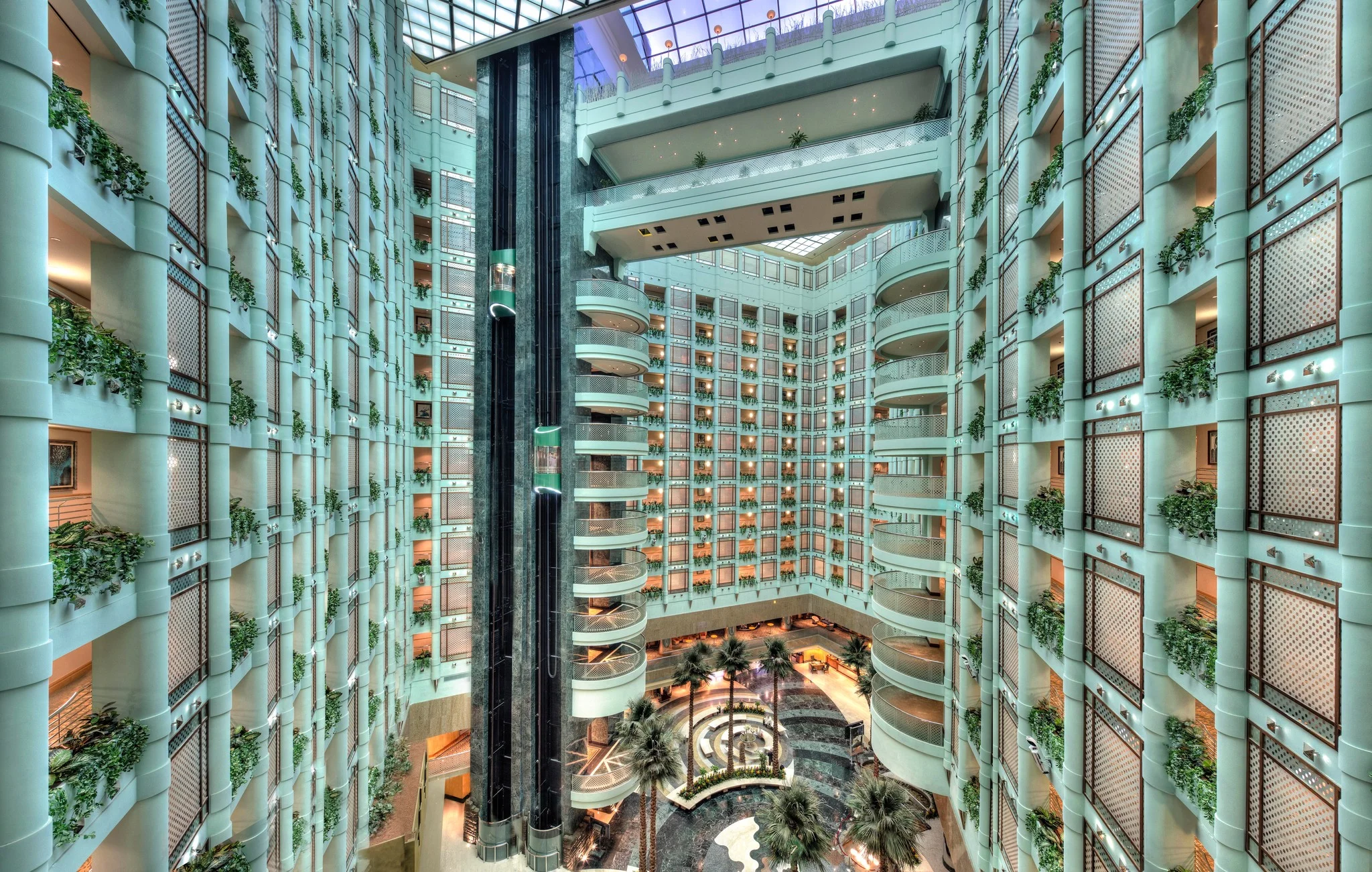
Is Your Hotel Corridor Lighting Forgotten?
The Most Overlooked Space in Hotel DesignThink about your hotel. The lobby has stunning chandeliers. Guest rooms feature thoughtful lighting layers. Restaurants shine with accent lights.But the corridors? Endless rows of identical ceiling lights. A monotonous tunnel. An afterthought.Yet guests walk these corridors daily. First impressions of their floor. Last moments before entering their room.This article shows why people often forget corridor lighting. It also shows how small design changes can improve these spaces. These updates can make corridors a memorable part of the guest journey.Why Corridor Lighting Gets ForgottenHotel corridors feeling neglected is not an accident. Several factors push them to the bottom of the design priority list.·Budget PrioritiesHotel budgets flow to where guests spend most time. Lobbies get the dramatic installations. Restaurants get the accent lighting. Guest rooms get the layered schemes.Corridors? People see them as purely functional. Money goes elsewhere. The result is minimal investment and minimal thought.·The "Nobody Notices" MythMany designers assume guests just want to get to their rooms quickly. They think corridors are tunnels, not destinations.But guests do notice. They notice when a hallway feels endless.When it feels dark and depressing. When it feels cheap. They may not complain directly, but the feeling stays with them.·Regulatory FocusCorridor lighting must meet safety codes. Exit signs. Minimum brightness levels. Emergency pathways.Too often, hotels stop there. They meet the minimum and call it done. Safety is essential, but it should not be the only goal.·Lack of IdentityCorridors connect spaces but rarely have their own identity. People treat them as connectors, not places.Yet every part of a hotel tells your brand story. Why should hallways be silent?These factors combine to create the forgotten design space. But they do not have to.The Tunnel Effect: When Uniform Lighting FailsWalk down a long hotel corridor with identical ceiling lights spaced every few meters. What do you feel? Most guests feel slightly uneasy, eager to reach their door.This is the tunnel effect.·What Is the Tunnel Effect?It happens when uniform lighting repeats without variation. The same brightness. The same fixture. The same spacing. The corridor stretches endlessly ahead, like a highway tunnel with no visual breaks.The space feels monotonous and slightly oppressive. Guests rush through instead of relaxing.·Why It Hurts Guest ExperienceCorridors are transition spaces. They lead guests from public areas to private rooms. This transition should feel comfortable, not stressful.When lighting creates a tunnel, several things happen:Guests focus only on reaching the end. They notice nothing else.The hotel feels institutional, like a hospital or dormitory.No sense of arrival builds—the room door appears suddenly, without anticipation.·The Psychology of Long HallwaysHumans naturally prefer spaces with visual rhythm. Our eyes want something to land on. Repeated identical patterns create boredom and discomfort.Varied lighting reduces perceived length. When the eye has different things to notice, the mind registers the walk as shorter and more pleasant.·Breaking the TunnelThe solution is simple: stop treating corridors as one long space. Create rhythm. Add variety. Give guests something to look at besides the distant end.Small changes transform the experience entirely.Design Principles: Creating Rhythm and Visual InterestTransforming a forgotten corridor into a memorable space requires intentional design. Here are the principles that work.·Alternating Fixture PatternsStop using the same light every few meters. Repeat is boring. Instead, create rhythm by alternating fixture types.For instance: a wall sconce, followed by a ceiling accent, then another wall sconce. Your gaze shifts. Your mind remains engaged. Someone intentionally designed the hallway; someone didn’t simply build it.·Wall Grazing and WashingMost corridor light points down. But vertical surfaces matter too. Use light to reveal texture on walls—stone, fabric, wood grain.Wall washing spreads light evenly across a surface. Wall grazing places fixtures close to create dramatic shadows and highlights. Both make the space feel wider and more intentional.·Zoning the CorridorBreak long hallways into sections. Every 10 to 15 meters, create a subtle shift. Slightly different brightness. A different fixture style. A small artwork with an accent light.These zones signal progress. Guests feel they are moving somewhere, not stuck in an endless tunnel.·End-of-Hallway FocusPlace something interesting at the far end. A piece of art. A decorative screen. A slightly brighter light.This gives guests a visual destination. The walk has purpose. The corridor becomes a journey, not just a connection.These principles turn forgotten spaces into experiences guests remember.Functional Requirements: Safety Meets AmbianceCorridor lighting must work on two levels: keeping guests safe and feeling intentional. These goals do not conflict—they complement each other.·Minimum Brightness StandardsSafety codes typically require 100-150 Lux at floor level. This ensures guests can see clearly and that obstacles are visible.But meeting the minimum is just the start. Going slightly above code adds comfort without high cost. Guests feel safer when spaces feel appropriately bright.·Exit Sign IntegrationEmergency signage is mandatory. But glaring green boxes ruin the carefully designed ambiance.Look for elegant solutions: recessed exit signs, low-profile designs, or fixtures that match your corridor's aesthetic. Safety and beauty can coexist.·Low-Level Night LightingAfter midnight, corridors do not need full brightness. Guests returning late appreciate lower light levels—bright enough to see, soft enough not to shock tired eyes.Consider dimming systems that automatically reduce output during overnight hours. Safety lighting remains active, but the space feels calmer.·Room Number IlluminationThis detail matters more than most hotels realize. Guests arriving late, possibly tired, should read the room numbers from 5 meters away.Dedicated accent lighting at each door solves this. Small fixtures or integrated lights ensure numbers are visible without glare.Function and feeling work together. Safety creates the foundation. Ambiance builds the experience on top.Quick Self-Check: Evaluating Your Corridor LightingYou do not need a consultant to spot corridor lighting problems. Walk your hotel tonight and run these four simple tests.Test 1: The Walk TestWalk the full length of your longest corridor. Pay attention to how you feel. Do you walk calmly, or do you hurry toward the end?If the walk feels tedious or slightly uncomfortable, your lighting lacks rhythm. Identical lights at regular spacing create a tunnel effect. Guests feel it even if they cannot explain why.Test 2: The Photo TestStand at one end of the corridor and take a photo looking toward the other end. Study the image.Do you see visual interest? Variation in light and shadow? Or just a straight line of identical ceiling fixtures repeating into the distance?If the photo looks like a tunnel, your guests experience it that way too.Test 3: The Room Number TestStand 5 meters from a guest room door. Can you read the number clearly without squinting?If numbers are hard to read, you need dedicated accent lighting at each door. Guests arriving late, possibly tired, should never struggle to find their room.Test 4: The Late-Night TestVisit the corridor after midnight. Is the light still at full daytime brightness?Consider dimming options for overnight hours. Full brightness feels harsh at 2 am. Lower levels help guests transition back to sleep.Four tests. Honest answers. Now you know where to start fixing.Real-World Application: Transforming the Forgotten SpaceKnowing the problems is one thing. Fixing them is another. Here is how to transform your hotel corridors.·Budget AllocationStart by shifting how you think about corridor budgets. Even 10-15% more investment transforms the experience. Prioritize rhythm over uniformity. Spend on varied fixtures instead of identical cheap lights.·Fixture SelectionChoose fixtures that add character. Wall sconces create vertical interest. Adjustable accent lights highlight artwork or architectural details. Avoid generic "spec-grade" fittings that look institutional.Remember: alternating fixture types costs no more than buying identical ones. The difference is intention, not expense.·Layered ControlInstall separate lighting zones within long corridors. Dimming systems can reduce output after midnight while keeping safety lighting active. Guests returning late appreciate the softer glow.Smart controls allow automatic scheduling. Daytime brightness. Evening ambiance. Overnight low levels. One system, multiple moods.·Art IntegrationUse wall washing to highlight artwork along the corridor. Even inexpensive prints become memorable when well-lit. The gallery feel reduces perceived length and adds sophistication.·Ask for HelpExperienced lighting partners bring solutions you might not consider. They know which fixtures work in long spaces. They understand how to meet safety codes while creating beauty.Start small. One corridor transformed becomes proof for the rest.Corridors Deserve Design AttentionGuests walk your corridors every day. These spaces shape how they feel about your hotel, yet people often forget them.The tunnel effect is avoidable. Rhythm, visual interest, and thoughtful details transform hallways from purely functional to genuinely welcoming.Safety and beauty can coexist. Meeting codes do not mean boring design.Look at your corridors tonight. Ask honestly: Do they welcome guests, or just connect rooms?Need help transforming your space? Contact Tyson Lighting. We know how to make every corner memorable.
Mar 11, 2026
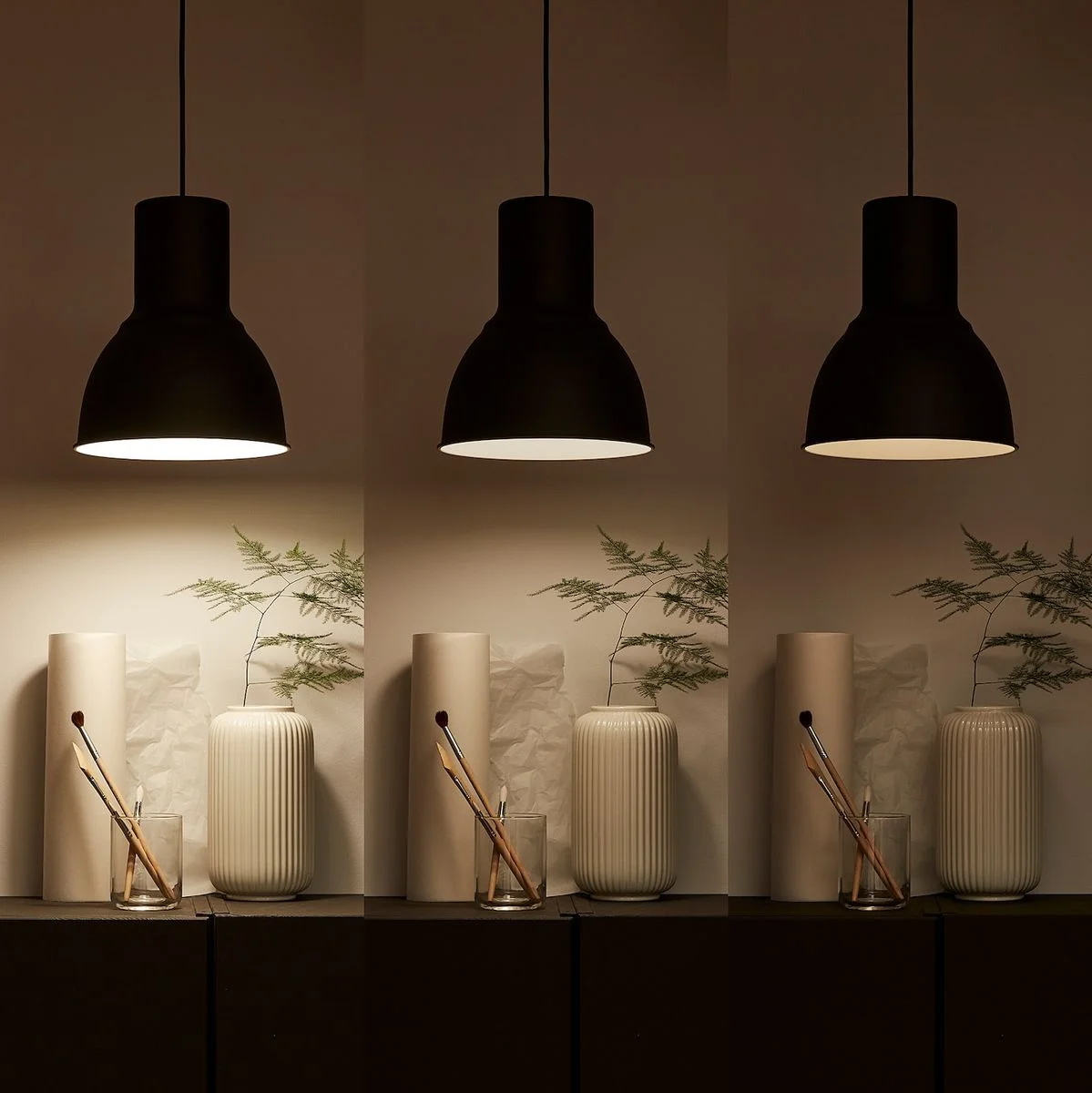
Hotel Bedside Lighting: Why Is Dimmable Design the Standard?
The First and Last Light Your Guests SeeThink about the lights your guests use most. Not the lobby chandelier. Not the bathroom mirror. The bedside lamps.Guests use them when they arrive, before sleep, and upon waking. Yet many hotels still offer only on/off switches—blinding bright or completely dark.Different guests need different lighting. A reader needs brightness. A sleeping partner needs darkness. Dimmable design solves this.This article explains why adjustable bedside lamps are now common in modern hotels. It also shares practical ways to use them well.Why Fixed Brightness Fails GuestsImagine checking into a hotel after a long flight. You want to read for a few minutes before sleep. You turn on the bedside lamp—and it is blindingly bright.Far too overwhelming. Simply too much. You turn it off and choose sleep instead.This small annoyance plays out every night in hotels around the world.·The On/Off ProblemFixed-brightness lamps offer only two choices: on or off. But guests need more than that.A person reading needs bright, focused light. Someone winding down needs soft, gentle illumination. A guest waking at 3 am for a bathroom trip needs just enough light to see safely—not a blast that destroys sleep.With fixed lighting, guests cannot choose. They make do with what they get.·Different Guests, Different NeedsBusiness travelers often work or read before sleep. They need decent brightness.Leisure guests want to relax, not feel like they are under a spotlight. Elderly guests may need brighter light to move safely. One solution cannot serve all these needs.·The Partner ProblemTwo people sharing a room make the problem worse. One wants to read; the other wants darkness. With fixed lighting, someone loses. Either the reader struggles with dim light, or the sleeper suffers with brightness.Dimmable lighting solves all this. It gives guests control—and control is comfort.The Benefits of Dimmable Bedside LightingWhy are more hotels switching to dimmable bedside lights? Because the benefits go far beyond guest satisfaction.·Enhanced Guest ComfortEvery guest has a personal brightness preference. Some like bright light for reading. Others prefer a soft, ambient glow for winding down. Dimmable lights let each guest set their own perfect level.This small control makes a significant difference in how guests feel about their room.·Improved Sleep QualityLight affects sleep. Bright light before bed signals the brain to stay awake. Harsh white light suppresses melatonin, making it harder to fall asleep.Dimmable warm lighting works in reverse. Slowly reducing brightness mirrors a natural sunset, helping guests unwind and get ready for sleep. They wake up feeling more restored.·Safety and ConvenienceThink about middle-of-the-night bathroom trips. With fixed lighting, guests either stumble in darkness or blast themselves awake with bright light.You can set dimmable lights to a low level—just enough to see safely without fully waking. No eye strain. No mishaps. No sleepless nights.·Energy SavingsHere is a bonus for hotel operators: guests often use lower light levels than maximum. Less light means less energy.LEDs paired with dimmers also last longer when run at lower outputs. Lower electricity bills. Longer lamp life.Better for guests. Better for your bottom line.Technical Implementation: How Dimmable Lighting WorksUnderstanding how dimmable lighting works helps you make better purchasing decisions and avoid common problems.·Types of Dimmable ControlsSeveral control options exist, each with different guest experiences:Rotary dimmers: Classic knob controls. Guests turn to adjust brightness. Intuitive for all ages. No learning curve.Touch dimmers: Tap or slide on the lamp base or switch plate. Modern, sleek, and increasingly common in design hotels.Smart system integration: Controlled via tablet, bedside panel, or voice. Allows preset scenes like "Reading" or "Night Light."USB outlet with dimming: Combines device charging with lighting control—space-efficient and practical.·Compatibility RequirementsHere is where many projects go wrong. Not all LEDs are dimmable. Check the packaging or specifications carefully. If a bulb says "non-dimmable," it will flicker or buzz on a dimmer circuit.Dimmer switches must also match your fixtures. Leading-edge dimmers work with some loads; trailing-edge dimmers with others. Mismatched components cause flickering, buzzing, or reduced lifespan.·Wiring ConsiderationsNew builds make dimming simple—just request dimmable circuits during planning.Retrofits need more attention. Many older dimmers require a neutral wire at the switch location. If your wiring lacks this, you may need different dimmer types or an electrician's help.Get these technical details right, and your dimmable lighting works smoothly for every guest.Choosing the Right Bedside FixturesSelecting the right fixtures is as important as the dimming technology itself. Here is what to consider.·Fixture Types That Work Well with DimmingDifferent styles suit different hotel room designs:Table lamps: Classic choice. Look for lamps with built-in dimmers or sockets compatible with dimmable bulbs. Plug-in dimmer cords offer simple retrofits.Wall-mounted swing-arm lamps: Space-saving and adjustable. Guests can position light exactly where needed. Many come with integrated touch dimmers.LED reading lights: Built into headboards or walls. Often feature touch controls or small dials. Sleek and modern.Picture lights above bed: Decorative option for design-focused rooms. Choose dimmable versions for flexibility.·Color Temperature MattersDimmable fixtures need the right color temperature:Recommended range: 2700K-3000K warm white. This flatters skin tones and creates a cozy atmosphere.Bonus: Dimmable warm light becomes even warmer at lower levels—pleasing and natural, like candlelight.Avoid: Cool white (4000K+) in bedside applications. It feels harsh and clinical, not restful.·Placement TipsWhere you put lights affects guest experience:Lamps should be within easy reach from bed. No stretching or leaning.Wall-mounted options save precious nightstand space for phones, books, and water glasses.Install independent controls on both sides of the bed. Partners should never fight over light.·Smart ConsiderationsFor new builds, consider future-proofing. Fixtures with smart compatibility allow eventual integration with room automation systems. Even if you do not use it today, the option exists tomorrow.Choose well, and your bedside lighting becomes a feature guests remember.Quick Self-Check: Evaluating Your Current Bedside LightingYou do not need guest surveys to spot bedside lighting problems. Spend five minutes in one of your rooms tonight and run these simple tests.Test 1: The Reading TestSit on the bed and hold a book or magazine in a comfortable reading position. Is the light bright enough to read easily? Does it cast shadows on the page?Now try lying back with the book. Does light shine directly into your eyes? Adjustable fixtures should solve this. Fixed ones often fail.If you struggle to read comfortably, your lighting is not serving guests who want to wind down with a book.Test 2: The Middle-of-Night TestLie down and close your eyes for a moment. Imagine waking at 3 am. Reach for the light control without looking. Can you find it easily? Is it intuitive?Now turn it on at the lowest setting. Is it still too bright? A good dimmable system should offer a true night-light level—just enough to see the path to the bathroom without destroying sleep.Test 3: The Partner TestSit on one side of the bed and turn your light to reading level. Move to the other side. Does your partner's light disturb you? Can you control your side independently?If lights link together or spill across the bed, couples will struggle. Each side needs independent control and focused light that stays on its own side.·What to Do NextFailed any test? Start with simple fixes. Replace bulbs with dimmable LEDs. Add plug-in dimmer cords to existing lamps. For major issues, plan a retrofit during your next renovation.Small changes. Significant difference in guest satisfaction.Real-World Application: Making Dimmable Lighting StandardTransitioning to dimmable bedside lighting requires planning. Here is how to make it standard in your hotel.·For New ConstructionStart during the design phase. Specify dimmable circuits for all bedside locations. Include requirements in your lighting layout drawings. Work with electrical contractors early to ensure proper wiring—including neutral wires at switch locations.Select fixtures with integrated dimming or compatibility with dimmable bulbs. Document everything for future maintenance.·For RenovationsAssess your current rooms. Which has wiring that supports dimming? Which needs upgrades? Prioritize based on guest feedback and room categories.Straightforward upgrades get results: switch out current lamps for dimmable versions. Insert plug-in dimmer cords between the lamp and the wall outlet. Replace standard, non-dimmable bulbs with dimmable LED bulbs. You don’t need any wiring, and you’ll see instant improvement.·Specification ChecklistWhen purchasing new fixtures, confirm:Bulbs or integrated LEDs are clearly marked "dimmable."Controls are intuitive—guests should understand without instructions.Independent operation on both sides of the bed.Color temperature between 2700K and 3000K.Compatibility with any existing or planned smart systems.·Staff Training MattersHousekeeping and engineering teams should know how dimming control systems operate. They can then assist guests who ask questions. Simple instructions near switches also help guests discover and use the feature.·Future-ProofingConsider smart-ready fixtures even if you do not implement automation today. The infrastructure investment now saves major work later.Make dimmable lighting standard, and your guests will notice—even if they cannot explain why their stay felt better.Control Is ComfortBedside lighting is personal. Guests read, rest, and wake at different times with different needs. Fixed brightness cannot serve everyone.Dimmable design gives guests control. Control means comfort. Comfort means satisfaction.The technology exists. The cost is reasonable. Guest expectations are rising.Make dimmable lighting standard in your rooms. Your guests will sleep better—and remember why.Need help? Contact Tyson Lighting. We understand what hotel guests need.
Mar 11, 2026
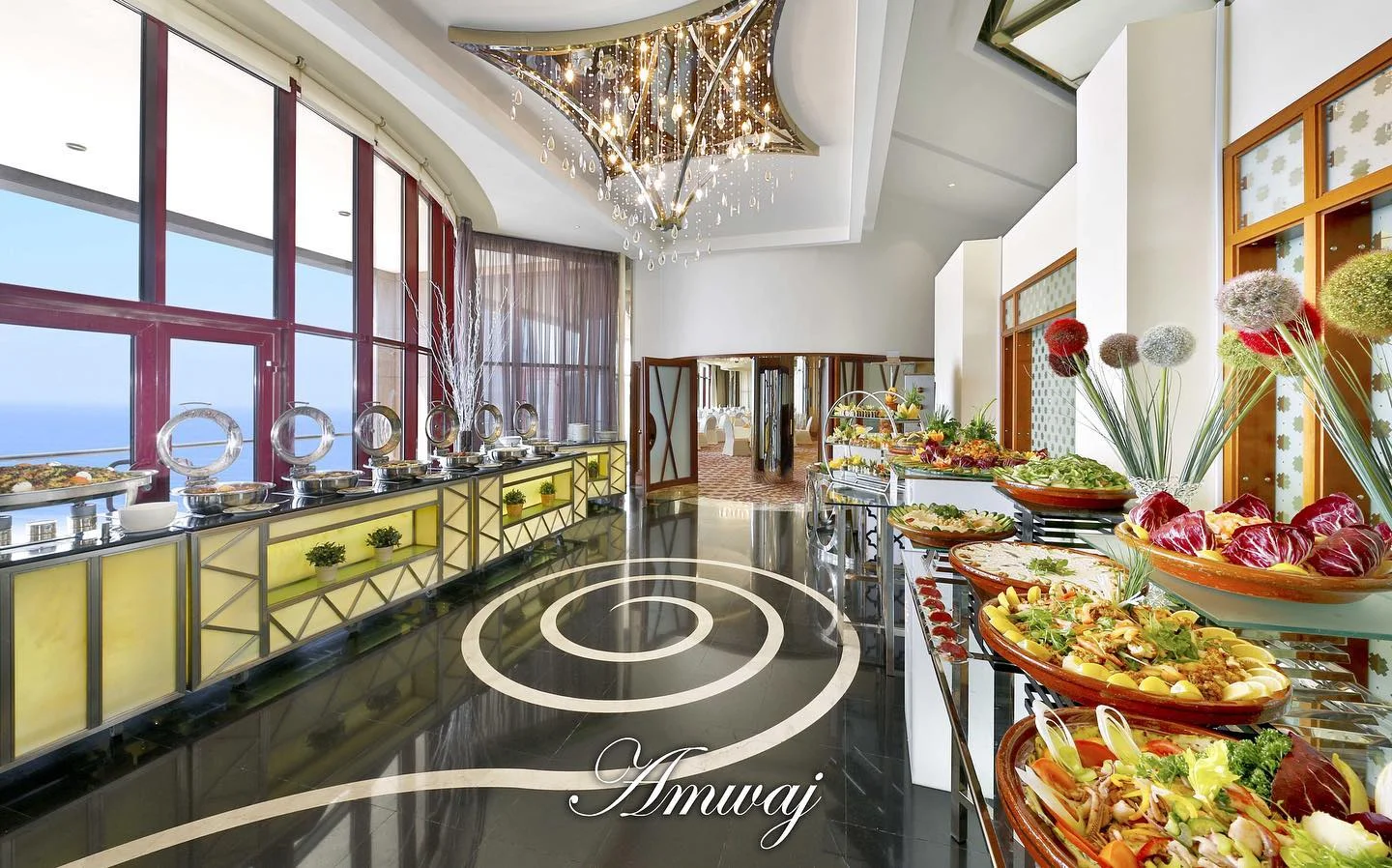
What Makes Accent Lighting Essential in Hotels?
The Spotlight That Tells Guests What to NoticeImagine walking through a hotel lobby. Your eyes naturally move to a glowing artwork. At the buffet, golden light makes the fresh fruit sparkle.That is accent lighting at work. It does not just illuminate—it directs attention. It states: “Pay attention here. This is important.”In hotels, accent lighting helps most in two areas. Buffet stations need food to look tempting. Art displays need culture to shine.This article explains accent lighting and how to use it well in these key areas.What Is Accent Lighting?Accent lighting is a simple idea that delivers striking results. They plan the lighting to highlight specific objects or areas. It directs attention exactly where you want it.·The Simple DefinitionThink of accent lighting as a spotlight on a stage. The main lights let you see the whole theater. But the spotlight tells you where to look—the actor, the singer, the important moment.In hotels, accent lighting does the same. It picks out artwork, buffet displays, architectural details, or anything you want guests to notice.·How It Differs from Other LightingTo understand accent lighting, compare it to its two cousins:Ambient light: The general illumination that fills a room. It lets guests see and move safely. Think ceiling lights or indirect coves.Task lighting: Focused light for specific activities. Reading lights by a bed. Desk lamps in a workspace.Accent lighting: Light for drama and emphasis. It does not help guests see better—it helps them notice more.·The 3:1 Rule That Makes It WorkAccent lighting only works if the highlighted area is noticeably brighter than its surroundings. Designers follow the 3:1 rule: the focal point should be three times brighter than the ambient light.Less than 3:1, and the effect disappears—everything looks equally bright. More than 5:1, and the contrast feels harsh and uncomfortable.Get the ratio right, and your accent lighting guides guests naturally, without them even realizing it.Why Accent Lighting Matters in HotelsAccent lighting is not just decoration. It serves real business purposes that affect guest experience and hotel revenue.·It Creates Visual HierarchyWithout accent lighting, everything in a room looks equally bright. Walls, furniture, artwork, buffet tables—all compete for attention. The result? Nothing stands out.Accent lighting creates order. It tells guests: "This is important. That is the background." The space becomes easier to read and more pleasant to experience.·It Enhances Brand IdentityThe objects you choose to highlight say something about your hotel. A beautifully lit local artwork tells guests you value culture. A glowing signature dish at the buffet says you take pride in your food.These choices communicate your hotel's personality without a single word.·It Drives Guest BehaviorLight naturally attracts people. A brightly lit buffet station draws more visitors. A highlighted art piece encourages guests to pause and explore. Well-lit pathways guide movement through public spaces.You can literally direct where guests go and what they notice—just with light.·It Creates Shareable MomentsGuests photograph beautiful scenes. A stunning art display with perfect lighting. A buffet where every dish glows invitingly. Those photos end up on social media, giving your hotel free exposure.In short, accent lighting turns ordinary spaces into memorable experiences. And memorable experiences create loyal guests.Accent Lighting for Buffet Stations: Making Food IrresistibleBuffets are about choice. But guests choose with their eyes before their mouths. If the food does not look appetizing, they pass it by without stopping.·The Goal: Food That Looks as Good as It TastesGood accent lighting transforms ordinary dishes into irresistible displays. Fresh fruit sparkles. Meats look rich and juicy. Sauces appear glossy and inviting. Poor lighting makes everything flat and unappetizing.·Key Technical RequirementsTo make food look its best, three things matter:CRI 90 or higher: This is non-negotiable for food. Low CRI makes red meat look brown, salads look dull, and vibrant colors fade. High CRI keeps everything looking fresh and true.Color temperature 3000K-3500K: Warm enough to flatter, bright enough to look fresh. Too warm (2700K) feels dim. Too cool (4000K+) feels clinical like a cafeteria.Beam angle 15°-30°: Narrow beams focus light exactly on the food, not the serving utensils or surrounding surfaces.·Placement Tips That WorkLight each station individually rather than lighting the whole buffet evenly. Position lights at an angle to avoid glare in guests' eyes. Adjustable fixtures allow tuning as menus change.·Common Mistakes to AvoidRelying only on overhead ambient light makes everything flat.Lighting serves as handles instead of the food itself.Creating hot spots that make some items look burnt or overexposed.Get buffet lighting right, and guests naturally gravitate toward your best offerings.Accent Lighting for Art Displays: Showing Culture in the Best LightHotels increasingly use art to create identity and delight guests. A striking painting or sculpture turns a corridor into a gallery. But even great art looks ordinary under poor light.·The Goal: Honor the Art, Delight the GuestArt deserves to be seen as the artist intended. Good accent lighting reveals textures, colors, and details. It creates moments of discovery as guests move through your hotel.·Key Technical RequirementsCRI 95 or higher: Art needs exceptional color rendering. Subtle tones in paintings, the warmth of wood sculptures, the sparkle of glass—all depend on accurate light. Below 95, colors shift and nuances disappear.UV-free LEDs: Sunlight and some artificial light contain UV rays that fade artwork over time. Quality LED fixtures for art are UV-free, protecting your investment.Beam angle selection: Match the beam to the artwork. Narrow beams (15°-25°) for small pieces create drama. Wider beams (30°-45°) for large canvases ensure even coverage.·Placement Tips That WorkWall washing: Even light across a gallery wall works well for multiple pieces or large works.Picture lights: Individual fixtures mounted above each piece create a focused, dramatic effect.Angle carefully: Light should hit the art, not reflect off the glass into guests' eyes. Adjust until glare disappears.·The Gallery StandardMuseum-quality art lighting follows simple rules: 150-200 Lux on the artwork surface, with ambient light significantly lower. This delivers a 3:1 or 4:1 contrast ratio—bold emphasis that keeps eyes comfortable.Get art lighting right, and your collection becomes a reason guests return.Quick Self-Check: 3 Tests to Run TonightYou do not need special training to spot accent lighting problems. Walk through your hotel tonight and run these three simple tests.Test 1: The Buffet TestVisit your breakfast or dinner buffet during service. Stand back and observe. Do your eyes naturally go to the food? Or does everything look equally bright?If some dishes look dull while others shine, your accent lighting is uneven. Food should be the brightest thing at the buffet—not the serving counter, not the background wall.Fix it: Adjust fixture angles or add dedicated spotlights above each food station.Test 2: The Art TestStand in front of a featured artwork. Does the light enhance it or fight it? Can you see the colors clearly? Are textures visible?Now tilt your head slightly. Do you see glare reflecting off glass or protective covers? If so, your lighting angle isn’t correct.Fix it: Adjust fixtures so light hits the art, not the glass. For wall-mounted pieces, aim from above at a 30-degree angle.Test 3: The 3:1 TestDownload a free light meter app on your phone. Measure brightness on a highlighted object—a featured dish or artwork. Then measure the nearby ambient area.The highlighted spot should be about three times brighter. If the ratio is lower, your accent lighting is not doing its job. If much higher, the contrast may feel harsh.Three tests. Ten minutes. Clear answers. Start tonight.Real-World Example: Accent Lighting at Hilton Jeddah·Project: Hilton Jeddah Buffet and Art Lighting EnhancementHilton Jeddah is a landmark property on Saudi Arabia's Red Sea coast. Its lobby features stunning contemporary art, and its buffet restaurant is a key revenue driver. But management noticed two problems: guests were not lingering at the buffet, and the art felt underappreciated.·The ChallengeThe buffet line stretched across the restaurant, but every dish looked equally bright—and equally flat. Nothing stood out. Guests walked past without stopping to admire the offerings.In the lobby, the bright surroundings overwhelmed the beautiful artwork. Pieces that should have created memorable moments went unnoticed.·The DiagnosisThe Tyson Lighting team conducted an evening audit and found specific issues:Buffet: Existing lights had a CRI of only 80 at 4000K. The food looked washed out. No accent focus—just flat, even lighting across the whole line.Art: Pieces received only 80 Lux of light, far below the 150-200 Lux needed for proper display. The ambient lobby light was too bright, creating no contrast.·The SolutionRather than a full overhaul, the team made targeted improvements:Buffet upgrade: Installed adjustable spotlights (CRI 95, 3200K) above each food station. Use tight 15-degree beam spreads aimed straight at platters, not serving zones. Food surface brightness increased to 450 Lux.Art upgrade: Added picture lights with CRI 98 and UV protection above key pieces. We dimmed the ambient lobby lights slightly to create a 3:1 contrast ratio between the art and its surroundings.·The ResultThe changes were immediate and measurable:Buffet traffic increased 20% in the first month. Guests naturally gravitated toward the well-lit stations.Art now draws attention. Guests photograph pieces and ask staff about the collection.Social media mentions featuring both the art and buffet increased significantly.Management currently implements accent lighting principles throughout the entire property.·Lesson LearnedAccent lighting transforms ordinary spaces into memorable experiences. Food sells better. People notice art. Guests engage more. And the investment pays for itself in guest satisfaction alone.Light That Directs, Not Just IlluminatesAccent lighting does more than help guests see. It tells them what to notice—a gleaming buffet, a stunning artwork, a carefully designed detail.At buffets, it makes food irresistible and drives revenue. On art, it honors culture and creates memorable moments. The principles are simple: focus, contrast, and quality light.Start with the 3:1 rule. Check your spaces tonight. Small adjustments create a significant and far-reaching impact.Need help? Send photos to Tyson Lighting. We have the World Cup and Disney projects. We can help you, too.
Mar 10, 2026
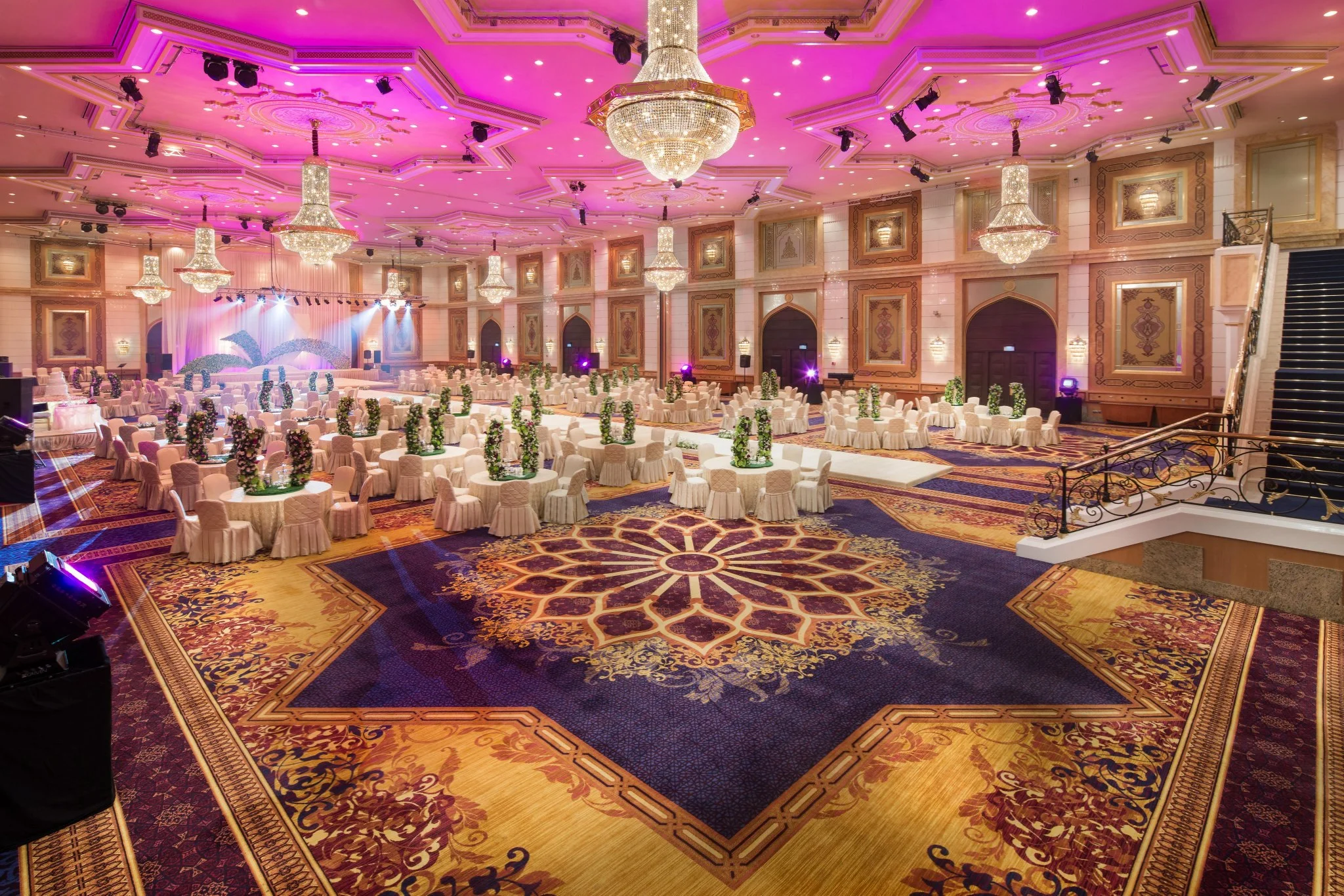
Does Your Hotel Lighting Balance Beauty and Cost?
The Designer vs Operator DilemmaDesigners dream of dramatic chandeliers and custom fixtures. They want a visual impact that wows every guest.Operators worry about dusting those chandeliers and replacing bulbs 10 meters up. They think about maintenance costs and cleaning hours.Both perspectives are valid. Yet when those opinions collide, hotels take the hit. Stunning fixtures dim. Dust gathers. The wow disappears.This article explores how hotels can achieve stunning design without creating maintenance nightmares—with real lessons from Hilton Jeddah.Understanding the Balance: What Does "Easy Maintenance" Actually Mean?Before solving the designer-operator conflict, we need to understand what “easy maintenance” truly means in hotel lighting.·The Cost of Poor Maintenance PlanningWhen maintenance is difficult, it simply does not happen. Burnt-out bulbs stay dark for months. Dust accumulates on chandeliers, reducing light output by up to 50%. Fixtures that once dazzled now show neglect.Guests notice. They may not say "that light is dusty," but they feel the space has lost its sparkle. The hotel looks tired.·What Makes Lighting Hard to Maintain?Three common challenges create maintenance nightmares:Inaccessible locations: Fixtures mounted 10 meters up require scaffolding or lifts. A simple bulb change costs hundreds in labor.Custom components: Unique fixtures with non-standard parts mean long waits for replacements. Meanwhile, the fixture stays dark.Complex systems: Overly complicated controls confuse staff. They stop using features, or worse, leave lights stuck in the wrong modes.·The True Goal of Easy MaintenanceEasy maintenance does not mean boring design. It means a design that stays beautiful over time.Fixtures that you can clean quickly. You can replace parts easily. Systems that staff actually understand.When maintenance feels easy, people do it. And once we finish it, your hotel looks stunning for years, not just on opening day.Smart Fixture Selection: Beauty That LastsThe first step in balancing visual charm with long-term maintenance starts before installation—choosing the right fixtures.·Choose Quality Over TrendTrendy fixtures look exciting today. But will they still look good in five years? Will replacement parts still be available?Classic designs with quality materials age gracefully. They may cost more upfront, but they save money over time. No need to replace entire fixtures because a trendy style has dated or a cheap component has failed.·Material MattersSome materials look beautiful but trap dust. Others wipe clean in seconds.Easy-to-clean surfaces: Glass, polished metal, sealed wood. A quick wipe restores their shine.Avoid: Open-weave fabrics, untreated natural materials, complex textures that collect dust. These require specialized cleaning or look tired within months.·Finishes That Hide WearHigh-gloss finishes show every fingerprint and dust speck. Brushed and matte finishes hide daily wear. In high-touch areas like lobbies and restaurants, choose finishes that stay looking fresh between deep cleans.·Modular Design Saves HeadachesFixtures with replaceable parts—LED modules, drivers, lenses—allow quick fixes. When a component fails, you replace just that part, not the whole fixture. Using consistent, standardized components across your property also reduces spare parts inventory.Smart selection means your hotel stays beautiful for years, not just opening weekAccessibility: Designing for the Maintenance CrewEven the most beautiful fixture becomes a problem if no one can reach it for cleaning or repairs.·The Hidden Cost of InaccessibilityWhen fixtures are hard to reach, maintenance gets postponed. A burnt-out bulb stays dark for months. Dust accumulates until it becomes visible to every guest. What once stunned people now looks neglected.And when repairs finally happen, costs spiral. Scaffolding, lifts, extra labor hours—all because the design didn't consider how someone would access the fixture.·Smart Access SolutionsGood design plans for access from the beginning:Winch systems for pendants: Large chandeliers and heavy pendants can be mounted on winches. One person lowers them for cleaning, then raises them back. No scaffolding needed.Tool-less removal: Recessed lights with simple clips or magnets allow quick access. Staff change a driver in minutes, not hours.Maintenance platforms: In expansive lobbies with soaring ceilings, plan for catwalks or dedicated maintenance walkways early on. They typically pay for themselves in just a few years.·Think About Every ComponentAccessibility means more than reaching the fixture. Can staff reach the driver?The junction box? The control connections? If drywall or an inaccessible ceiling buries any component, a simple fix becomes major construction.·Documentation Is Part of AccessibilityEven the easiest-to-use fixture still requires clear documentation. Detailed manuals, spare parts lists, and maintenance schedules should live with your facility team—not just the original designers.Design with access in mind, and your hotel stays beautiful without breaking the maintenance budget.Technology That Helps: Smart Systems and Long-Life ComponentsTechnology offers powerful solutions to balance design appeal and maintenance. Used wisely, it reduces workload and keeps fixtures performing.·LED Longevity MattersNot all LEDs are equal. Quality LEDs carry an L70 rating—the hours until light output drops to 70% of the original. Look for L70 above 50,000 hours. That means strong performance for over a decade.Cheap LEDs fail early. Replacing them costs labor, not just bulbs. Invest in quality, and you replace fixtures less often.·Smart Monitoring SystemsSome modern lighting systems monitor themselves. They alert staff when a fixture fails—sometimes before guests notice. No more waiting for complaints to discover problems.Remote diagnostics let technicians identify issues without climbing ladders. They bring the right parts on the first visit, fixing problems faster.·Simplified ControlsSophisticated control systems appear striking in presentations. But if staff cannot operate them, staff ignore them. Beautiful scene settings go unused.Choose user-friendly interfaces. Train staff on basic operations. Sometimes simpler is better—three well-designed scenes beat twenty that confuse everyone.·Dust-Resistant DesignIP ratings are not just for outdoors. Fixtures with IP40 or higher in lobbies resist dust accumulation. Less dust means less cleaning. Less cleaning means lower maintenance costs.Technology should serve your team, not burden them. Choose smart systems that make maintenance easier, not harder.Quick Maintenance Audit: 3 Questions for Your Facility TeamYou do not need a consultant to spot maintenance problems. Sit down with your facility team and ask these three questions. Their answers will reveal where your lighting design is failing.Question 1: The Access Question"Which fixtures are hardest to reach for cleaning or bulb changes?"If your team lists more than three fixtures, you have a design problem. Fixtures that require scaffolding, lifts, or special equipment will not get regular attention.Dust builds up. Burnt-out bulbs stay dark. Guests notice.The solution: For current fixtures, explore winch systems or longer maintenance schedules. For future projects, make accessibility a requirement, not an afterthought.Question 2: The Cleaning Question"How often do you clean the lobby chandelier or major decorative fixtures?"If the answer is "rarely" or "only when someone complains," guests are seeing dust you are not. Light fixtures lose up to 50% of their brightness when dirty. That stunning centerpiece slowly dims without anyone noticing.The fix: Establish regular cleaning schedules based on fixture location and type. High-traffic areas need weekly attention, not quarterly.Question 3: The Spare Parts Question"Do we have spare drivers, bulbs, or components for every fixture type?"If your team cannot immediately access spares, a single failure becomes a long-term eyesore. Weeks pass waiting for parts. Dark fixtures multiply.The fix: Audit your spare parts inventory. Standardize components where possible. Keep critical spares on site.Three questions. Honest answers. Now you know where to start fixing.Real-World Example: Balancing Beauty and Maintenance at Hilton JeddahProject: Hilton Jeddah Hotel Lighting OptimizationHilton Jeddah stands as a landmark property on Saudi Arabia's Red Sea coast. Its soaring lobby and dramatic architectural details wow guests from the moment they arrive. Yet after years of running operations, facility managers encountered an escalating challenge.·The ChallengeThe initial design emphasized visual appeal over practical maintenance needs. Custom chandeliers hung 12 meters above the lobby floor. Even a simple bulb change required scaffolding—costly, disruptive, and therefore rarely done.Open-top fixtures in the restaurant accumulated dust visibly within weeks. Staff gave up on intricate control systems because programming them felt overly confusing.The result? Dusty fixtures, dark bulbs, and a lobby that had lost its sparkle.·The DiagnosisThe Tyson Lighting team conducted a full audit and identified three core issues:Accessibility: Major fixtures required specialist equipment for any maintenance.Materials: Open fixtures trap dust in hard-to-clean spaces.Controls: Needlessly complex scenarios caused staff to bypass the system completely.·The SolutionRather than replacing everything, the team made targeted improvements:Winch systems were installed on major pendants. Now one person lowers them for cleaning in minutes—no scaffolding needed.We replaced fabric shades in high-traffic areas with glass and metal alternatives that wipe clean instantly.We reprogrammed the control system with three intuitive scenes: Day, Evening, and Late Night. Staff actually use them now.We standardized universal drivers for every fixture, cutting spare parts inventory by 60%.·The ResultMaintenance costs dropped 35% in the first year. Fixture cleaning increased from quarterly to weekly—the lobby now consistently sparkles. Staff actually use the lighting controls, creating better guest experiences. And the initial design concept stays preserved, simply far easier to maintain.·Lesson LearnedGreat design plans for maintenance from day one. Hilton Jeddah proved that visual impact and operational efficiency can coexist beautifully.Design for the First Day and Every Day AfterA stunning lobby that cannot be maintained stops being stunning within months.The balance comes from smart choices: quality fixtures, accessible placement, simple controls, and durable materials. Hilton Jeddah proved that beauty and practicality can coexist—with lower costs and happier guests.As you plan your next project, ask not just "Does this look amazing?" but "Will it still look amazing in five years?"Design for the first day. And every day after.
Mar 10, 2026
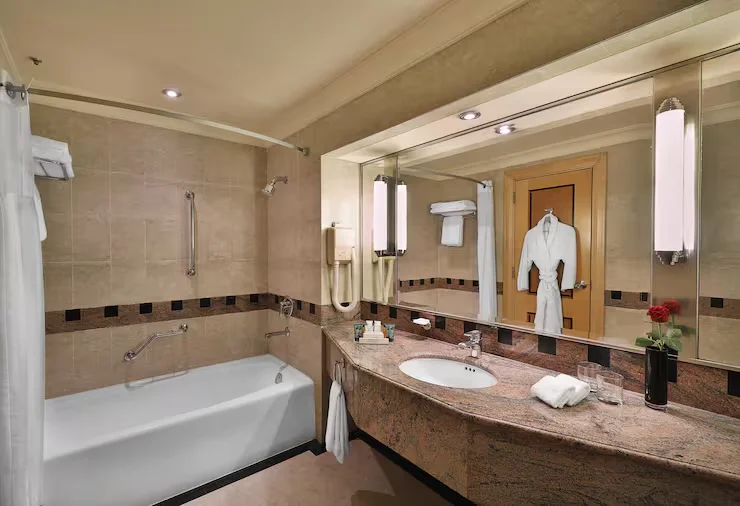
Why Do Hotel Bathroom Mirror Lights Need High CRI (>90)?
The Most Overlooked Detail That Shapes Guest SatisfactionEvery hotel visitor relies on the bathroom mirror. To apply makeup. To shave. To take one last look before a meeting.When lighting is dim, they move in nearer. They narrow their eyes. They leave the bathroom feeling unsure—and that small frustration colors their entire stay.What is the difference between bad and beautiful mirror lighting? One number: CRI.This article explains what CRI means. It shows why CRI matters in hotel bathrooms. It also explains why a CRI above 90 improves the guest experience.What Is CRI and Why Should Hoteliers Care?CRI stands for Color Rendering Index. It sounds technical, but the idea is simple.·The Simple DefinitionCRI measures how accurately a light source shows the true colors of objects. The scale runs from 0 to 100. Natural sunlight scores 100—colors look exactly as they should. A low-CRI light, say below 80, makes colors appear washed out, grayish, or just wrong.Think of it this way: Two lights can look equally bright but show colors completely differently. That difference is CRI.·Why Hoteliers Should CareYour guests use bathroom mirrors for tasks that need true color. They apply makeup, shave, style hair, and check skin before a meeting.If the light distorts colors, they cannot do these tasks properly. The foundation that looked perfect in the mirror suddenly appears orange in daylight. A clean shave turns out patchy because they could not see the stubble.Guests do not blame the light. They blame the hotel. And they remember.·Industry StandardsFor general hotel lighting, CRI 80 is acceptable. But bathroom mirrors are different. Industry specialists suggest CRI 90 as the baseline minimum. High-end hotels target a CRI of 95 or above.Why? Because guests expect to look their best when staying with you. Help them do that, and they will notice.The Guest Experience – What Happens Under Low CRI Light?Imagine a guest getting ready for an important business meeting in your hotel. She stands at the bathroom mirror, applies her makeup carefully, and walks out feeling confident.But when she checks her reflection in daylight, her foundation looks orange. Her blush looks overly intense. What occurred?Low CRI light happened.·Makeup Application NightmaresUnder low CRI light (below 80), colors shift. Red tones fade. Blues turn gray. Skin looks flat and unhealthy.Guests cannot match the foundation correctly. They cannot tell if blush is subtle or clownish. They make assumptions—and frequently get them wrong.·Shaving and Grooming ChallengesMen face the same problem. Stubble becomes hard to see against skin. They miss patches. They nick themselves trying to get closer. A simple shave turns frustrating.Skincare routines suffer too. Guests cannot see their skin clearly—texture, problem areas, whether products have absorbed properly.·The Psychological ImpactHere is what guests actually feel: "I look tired." "I look off today." "This hotel bathroom makes me look bad."They blame themselves, not your lighting. But the frustration stays with them. That small negative moment colors their entire perception of your hotel.All because your lights hide true colors instead of showing them.The Hotel Brand – How Mirror Lighting Affects Reviews and ReputationMost guests cannot define CRI. They have never heard of color rendering. But they know when something feels wrong.·What Guests Actually WriteScroll through hotel reviews on any platform. You will find comments like these:"The bathroom lighting was terrible—I couldn't do my makeup.""Had to move to the window to shave. Mirror light was useless.""Adored the room, but the bathroom lighting made me appear ill."Guests connect bad mirror lighting directly to their experience. And they share it.·Luxury vs Budget PerceptionHigh CRI lighting signals attention to detail. Guests may not understand why the light feels better, but they sense quality. The bathroom feels more luxurious, more thoughtful.Low CRI feels cheap. Like someone installed whatever bulb was on sale. Guests notice that subconscious message: "This hotel cuts corners."·Social Media ImpactThink about how many hotel mirror selfies appear on Instagram. Guests photograph their outfits, their makeup, their vacation glow.Great lighting makes guests’ photos worth sharing. That becomes free promotion for your hotel. Poor lighting? No photos. Missed visibility.In a competitive market, small details shape reputation. Mirror lighting is one of those details.Technical Guidelines – Choosing the Right Bathroom Mirror LightKnowing that high CRI matters is one thing. Choosing the right fixtures is another. Here are simple guidelines to get it right.·CRI RequirementsStart here: CRI 90 is your minimum. Do not accept less. For luxury properties, aim for CRI 95 or higher. The difference is visible, especially on skin tones and red tones in makeup.Check the specification before buying. If the box does not list CRI, assume it is low quality.·Color Temperature Matters TooCRI is not the only number. Color temperature (measured in Kelvin) affects how light feels:3000K: Cozy and flattering. Skin appears healthy. Calm, laid-back mood.3500K-4000K: Clean and bright. Ideal for grooming tasks.Avoid 2700K: Too dim for detailed tasks.Avoid above 5000K: Too cold. Feels clinical, like a hospital.For most hotels, 3500K hits the sweet spot—bright enough for tasks, warm enough for comfort.·Placement Changes EverythingWhere you put the light matters as much as the bulb itself.Best: Vertical strips on both sides of the mirror. This lights the face evenly, with no shadows.Acceptable: A bar light across the top, if combined with good ambient light.Avoid: Single overhead light. It casts shadows under the eyes and chin—the worst possible choice.·Brightness LevelsAim for 400-500 Lux at face level. This is bright enough for detailed grooming but not harsh. Dimmable options let guests adjust to their preference.Get these four things right, and your bathroom lighting will never generate a complaint.Quick Self-Check – 3 Tests to Run TonightYou do not need expensive equipment to check your bathroom lighting. Walk into any guest bathroom tonight and run these three simple tests.Test 1: The White Towel TestGrab a white towel from the rack. Hold it under the mirror light. What color do you see?If the towel looks pure white, your CRI is probably good. If it looks yellowish, grayish, or dull, your CRI is too low. Guests notice this even if they cannot name the problem.Test 2: The Skin Tone TestStand under the light and look closely at your own skin—or ask a staff member to help. Does skin look natural and healthy? Can you see subtle variations in tone?If skin looks flat, washed out, or slightly gray, your lighting is failing. Good light makes skin look alive.Test 3: The Shadow TestFace the mirror directly. Do you see harsh shadows under your eyes or chin? If yes, your light placement is wrong.Move side to side. If shadows shift and change, you need better fixture positioning. The best setup—lights on both sides of the mirror—eliminates shadows.·What to Do NextDidn’t pass the test? Start by upgrading to higher-quality bulbs. Affordable high-CRI LED replacements won’t break the bank and take just minutes to install. If shadows are the issue, consider adding side-mounted lighting fixtures.Small changes. Significant difference in guest satisfaction.Real-World Example – How High CRI Transformed Guest Experience at Hilton JeddahProject: Hilton Jeddah Hotel Bathroom Lighting UpgradeHilton Jeddah is one of Saudi Arabia's premier hotels on the Red Sea coast. Business travelers and vacationers alike expect five-star quality throughout their stay.·The ChallengeEven with high ratings overall, the team flagged a repeated theme in guest comments. Women, in particular, reported trouble putting on makeup. Men described shaving as “hit or miss.” While bathrooms were stylish, the lighting let guests down during everyday grooming.·The DiagnosisThe Tyson Lighting team conducted an evening site audit and found three problems:Existing mirror lights had CRI of only 80 at 6500K—extremely cool and poor color rendering. Skin looked washed out and unhealthy.A single overhead light created harsh shadows under eyes and chins.Brightness measured only 250 Lux at face level, well below the 400-500 Lux needed for detailed tasks.·The SolutionRather than a full renovation, the team made targeted upgrades:Added vertical LED strips on both sides of each existing mirror (CRI 95, 3500K).Increased face-level brightness to 500 Lux.Installed dimmable controls so guests could adjust to their preference.·The ResultWithin three months, bathroom lighting complaints dropped to zero. New reviews began praising the "perfect bathroom lighting" and "easy makeup application." Female business traveler return rates increased noticeably. Hotel management now uses this project as a "low-cost, high-impact" example across their group.The takeaway? Minor lighting adjustments help turn visitors into loyal guests.Small Detail, Significant ImpactBathroom mirror lighting seems like a minor detail. But guests use it every single day.CRI 90 or higher ensures accurate colors, confident grooming, and satisfied guests. Pair it with correct side placement and 400-500 Lux brightness for best results.In a competitive hotel market, small details create loyalty.Unsure about your bathroom lighting? Send photos to Tyson Lighting. Our team—who lit World Cup and Disney projects—will assess your CRI for free.
Mar 09, 2026
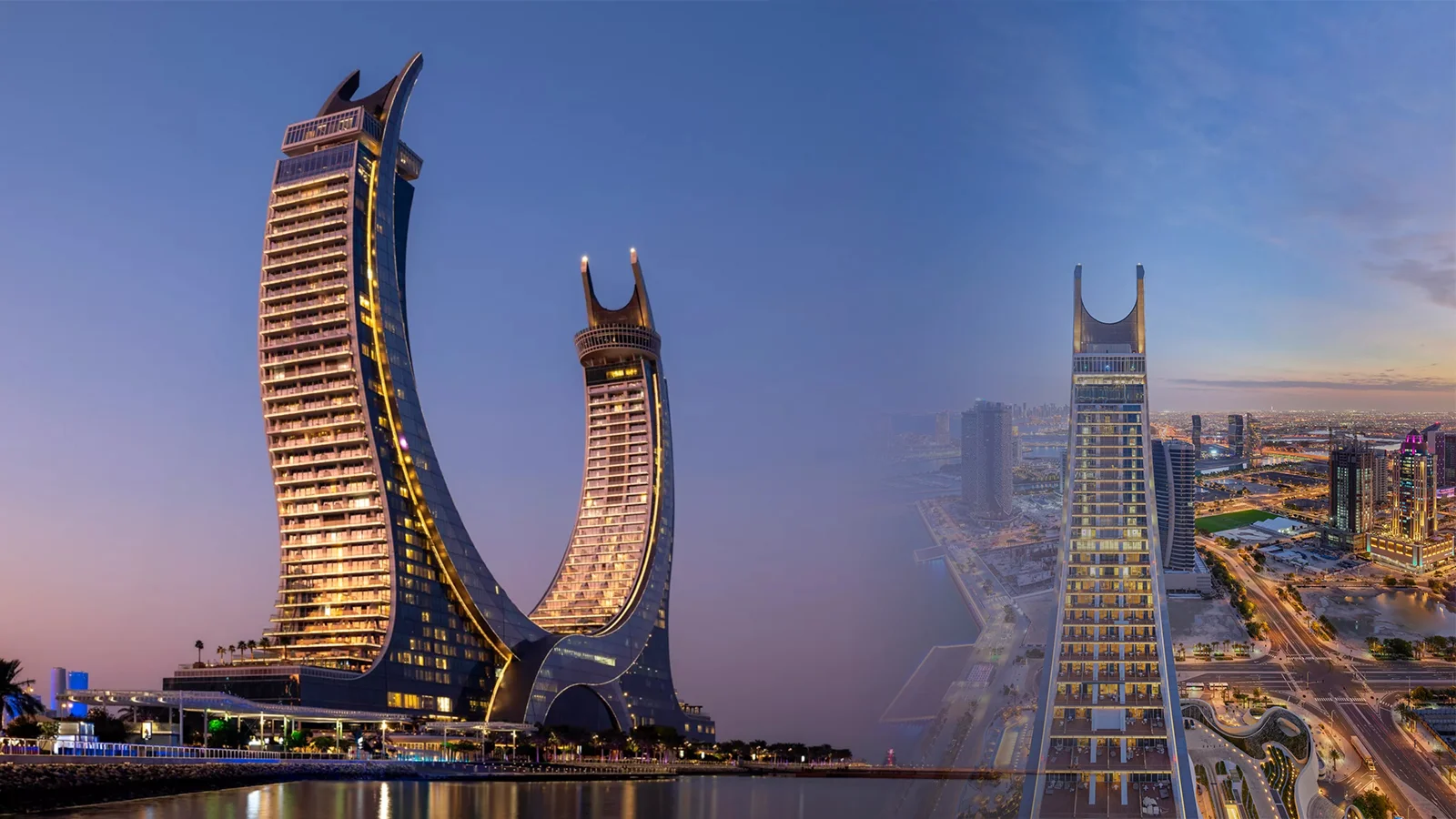
What is "Guest Circulation Lighting"?
First Impressions Begin with LightThink about the last time you arrived at a hotel at night. From the moment you stepped out of the car until you reached your room, light guided you—or left you confused.People call this path the guest journey. And lighting along this path does more than help people see. It welcomes, guides, and shapes how guests feel about your hotel before they even see their room.Good lighting makes the journey smooth and memorable. Poor lighting makes guests feel lost.This article explains guest journey lighting and three key points to optimize your check-in flow.What Is Guest Journey Lighting?Guest journey lighting is exactly what it sounds like: light designed to guide guests along their path from arrival to their room. But it is more than just lighting the way.·The Simple DefinitionThe smart use of light at each step of the guest’s journey. It covers the entrance, lobby, elevator, hallway, and their door. Each step gets the right light for its purpose.·Three Jobs of Journey LightingGood journey lighting does three things at once:It guides. Light tells guests where to go without words. A bright reception desk says "come here." A softly lit hallway says "your room is this way."It keeps guests safe. Steps, corners, and changes in floor level become visible. Guests walk confidently, not carefully.It shapes emotion. Warm light at arrival says "welcome." Dimmer light in hallways says "quiet and private now." Light builds feelings as guests move through your hotel.·The Path MattersEvery hotel has the same basic journey: Arrival → Lobby → Elevator → Corridor → Room. Each stop needs different light for different needs.Get the journey right, and you guide guests so smoothly that they never think about it. Get it wrong, and they hesitate, squint, and wonder where to go next.Arrival and the Portico: The First Rays of Light Welcoming GuestsThe hotel’s lighting system switches on the instant guests step out of their car. This first interaction establishes the mood and shapes the flow of the entire experience.·ObjectiveTo make guests feel welcome and safe from the moment they step into the hotel. They should clearly see where they are going. They should also feel right away that this is a place of exceptional quality and thoughtful care.·Design ConsiderationsSufficient Brightness Under the Ceiling: Target brightness of 200-300 lux. This allows drivers to see the road clearly, baggage handlers to work safely, and guests to walk confidently. Avoid squinting or hesitation.Highlight Entrance Signage: The hotel name should be clearly visible from the arrival point. Accent lighting on the signage should convey the message "You have arrived."Create a Seamless Transition: Guests shift from a softly lit exterior into a brightly illuminated interior. Gradual changes in brightness avoid eye strain. Path lighting should be gradual, not abrupt.·Common MistakesToo Dim Light: Guests cannot see the ground or find their way to the door. First Impression? Cold.Incorrect Color Temperature: Cool light above 5000K creates a cold, impersonal atmosphere, like a hospital. Guests will feel like they've entered an office, not a relaxing space.·Recommended SolutionUse warm white light in the 2700K-3000K range. This color complements skin tones, creates a warm and comfortable atmosphere, and conveys a sense of hospitality. Combining ceiling lights with soft wall lighting can create a sense of depth and dimension in the space.A good first impression will make guests feel pleasant as soon as they enter. A wonderful journey begins.Lobby and Reception: The Hub of the JourneyUpon entering the hotel, the lobby becomes the first place guests truly experience. The reception area is the next place they head to.·ObjectiveMake the reception area immediately apparent while allowing guests to fully immerse themselves in the space. They should be able to find check-in easily, without stopping or searching.·Design ConsiderationsMake the Reception Stand Out Visually: Keep the reception zone 30–50% more brightly lit than the surrounding spaces. We desire a target countertop illuminance of 500 lux. This naturally draws guests' attention – they will move towards the brightest area.Clear Path Guidance: Use steady lighting, like recessed ceiling strips or floor LED strips, to guide guests. Lead them from the entrance to the reception area. The message is subtle yet clear: “Follow the light.”Comfortable Waiting Area: Check-in guests should not feel rushed or cramped. Soft, low lighting in the nearby lounge creates a comfortable atmosphere. It keeps guests’ attention focused on the reception area.Area lighting is crucial.·Different areas require different lighting schemesReception Area: Bright, high color rendering index (CRI ≥ 90) lighting. Staff need to clearly read passports and forms. Guests also need to clearly see what they sign.Lounge Area: Soft, dimmable lighting with an illuminance of 150-200 lux. Creates a relaxed and comfortable atmosphere.Corridors: Medium brightness—ensuring safety without being distracting.·Recommended Lighting FixturesUse decorative pendant lights or adjustable spotlights directly above the reception desk. Recessed LED light strips or soft floor lamps are excellent for guiding guests.By doing this, guests can enjoy a smooth experience from arrival to check-in. No hesitation or confusion exists.Elevator Lobby and Corridors: Transitional Spaces that Create AnticipationAfter check-in, guests proceed to their rooms. These in-between areas matter far more than most hotels truly recognize.·ObjectiveTo maintain guests' anticipation while ensuring they feel safe and familiar with their surroundings. These spaces connect the public lobby to the private guest rooms – lighting should reflect this transition.·Elevator Lobby Design ConsiderationsHighlight the call button: The button panel should have an illuminance of 200-300 lux. Guests should be able to find the button immediately without having to search for it.Frame the elevator door: Soft lighting around the doorway conveys the message "This is the elevator" without words.Slightly darker than the lobby: This signals a transition. The bright public space fades away; the private, tranquil space begins.·Corridor Design ConsiderationsAvoid the tunnel effect: Long, straight corridors with the same ceiling lighting can feel endless and oppressive. Guests will rush through instead of relaxing.Create a sense of rhythm: Alternate between wall lamps and accent lights every 6-8 meters. This breaks visual monotony and makes walking feel shorter.Illuminate room numbers: Each door needs dedicated accent lighting. Guests should be able to easily see room numbers from 5 meters away—without squinting or guessing.Safety is paramount.Install low-mounted kickstand lights at floor corners and intersections. Guests walking late at night will be concerned about not tripping. Emergency exit signs should be easy to spot, yet not too prominent.If designed properly, these transitional spaces can maintain a smooth journey. Guests will still feel the hotel's care when they reach their room.Quick Self-Check: 3 Tests to Run TonightYou do not need a lighting designer to spot problems. Walk your hotel tonight and run these three simple tests.Test 1: The Arrival TestArrive at your hotel by car after dark. Step out under the canopy. Can you see the ground clearly? Can you read your hotel sign without searching?If the answer is no, your entrance needs more light. Aim for 200-300 Lux under the canopy. Warm light at 3000K feels welcoming. Cold light feels harsh.Test 2: The Reception TestStand at your front door and look toward the reception desk. Does your eye go there immediately? Or do you pause, scanning the space to find it?If the reception does not stand out, increase its brightness. Make it 30-50% brighter than the surrounding lobby. Add a decorative pendant or focused spotlights. Guests should walk toward the desk without thinking.Test 3: The Corridor TestWalk the full path from the elevator to your farthest guest room. Do you hesitate at any point? Can you read room numbers from several meters away?If hallways feel endless and uniform, you have the tunnel effect. Add rhythm with alternating wall sconces. If room numbers are hard to read, add accent lights at each door.Three tests. Ten minutes. Clear answers. Start tonight.Real-World Case Study: Optimizing Guest Experience Lighting at Lusail Crescent, Qatar·Luxury Hotel in Lusail's Iconic CrescentA new five-star hotel opened in Lusail’s Crescent. In the heart of the Lusail development. It faced an unexpected issue. Despite its breathtaking architecture and world-class service, guest feedback indicated a “rushed” and “unforgettable” check-in experience.·ChallengeThe hotel sits in a prime spot in the Crescent. It has a grand lobby on the ground floor.Guest rooms are on floors 15 through 30. The route from arrival to check-in is lengthy, involving multiple areas. Guests, especially those arriving late at night, reported feeling somewhat disoriented.·DiagnosisThe Tyson Lighting team examined the entire check-in process after sunset and identified three issues:Arrival Area: The illuminance in the entrance hall was only 130 lux. Guests needed to stop and adjust to the light after disembarking. Luggage handlers also had difficulty seeing. The magnificent tower's exterior is dazzling with lights, but the light dims once guests enter the ceiling.Lobby Reception: The sleek marble reception desk blends seamlessly into the bright lobby backdrop, lacking a visual focus. Guests pause and look around for check-in upon entering.Elevator Lobby and Corridors: The elevator area is dimly lit and feels oppressive. The long corridor leading to guest rooms features monotonous ceiling lighting, creating a tunnel-like visual effect. Room numbers are almost impossible to read from several meters away.·Solution: Three Key ImprovementsEntrance Welcome: Ceiling lighting has been upgraded to 260 lux, 3000K warm white light. They added recessed LED strips to the ceiling, creating a warm glow. Guests now enter a safe, welcoming, and comfortable space.Reception Focus: We installed a custom-designed crystal chandelier above the reception desk. We raised the task lighting level to 500 lux and reached a 95 CRI. As a result, the well-illuminated reception zone naturally stands out as a visual focal point. Guests can easily find their destination from the entrance.Corridor rhythm and room signage: Wall lamps replaced the uniform ceiling lights. We added accent lights every 7 meters, creating a visual rhythm. Each guest room door has a personal spotlight that lights the room number. The number is clearly visible from 5 meters away.·ResultsGuest satisfaction with the "stay experience" increased by 30%.Staff reported a 65% decrease in guests asking for directions.Online reviews frequently mentioned "easy arrival" and "beautiful lobby lighting."This project has emerged as a benchmark for high-end hotel lighting in Qatar’s newest signature landmark building.Minor adjustments, major results.Journey Lighting Is Your Silent ConciergeYour guests may not notice good journey lighting. But they feel it.It welcomes them upon arrival, guides them to the reception, and leads them comfortably to their room. No words needed. Just light that works.Three key points matter most. Offer a bright welcome at the entrance. Use a focused reception desk. Add rhythmic corridor lighting with clear room numbers.Review yours this evening. Minor tweaks create major improvements.Need help? Send photos to Tyson Lighting. We have a lit World Cup and Disney projects. We can help you, too.
Mar 09, 2026
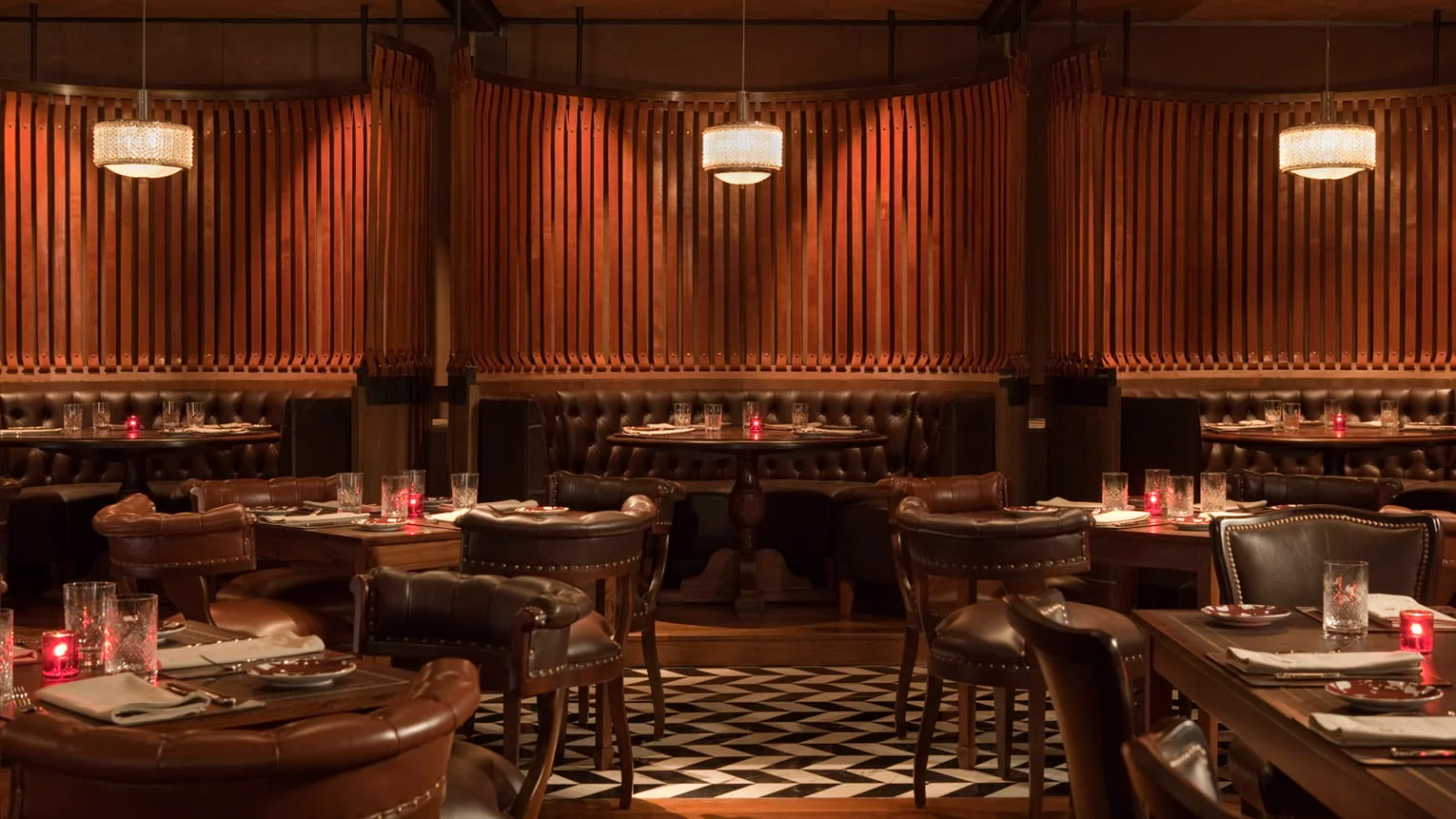
3 Lighting Trends from The World's 50 Best Restaurants 2026
The Secret Code of Top RestaurantsThe World's 50 Best Restaurants list is more than a food ranking. It shows us where dining design is heading.Look closely at the 2026 winners, and one thing stands out: lighting is no longer an afterthought. It shapes how guests feel, how long they stay, and what they remember.This piece highlights three standout lighting trends seen in this year’s best restaurants. Whether you manage a laid-back café or an upscale dining venue, these concepts will spark ideas for your next refresh.Let’s take a look inside.Trend #1 – Biophilic Lighting: Bringing Nature IndoorsThe first trend dominating 2026's best restaurants is biophilic lighting. It sounds complex, but the idea is simple: light that feels natural.·What Is Biophilic Lighting?Biophilic design connects humans to nature. In lighting, this means mimicking the way sunlight behaves throughout the day—soft and warm in the morning, bright at noon, golden at sunset. Putting leaves on lamps is not what it is about. Light shifts and breathes like the outdoors.·How Top Restaurants Use ItNordic award-winning restaurants lead this trend. Their tunable lighting systems start at bright, cool whites during lunch, then gradually warm to candlelight tones (2200K-2700K) by evening. Guests barely notice the change, but they feel it—more relaxed, more comfortable.South American venues take a different approach. They use soft, diffused light to mimic dappled rainforest shadows. This makes diners feel close to nature, even downtown.·Why It MattersPeople long for nature. Studies show that lighting designed to follow natural rhythms reduces stress and enhances dining satisfaction. Guests linger longer, spend more, and recall the experience.·How to Apply ItYou do not need a full renovation. Install tunable white fixtures that shift color temperature throughout the day. Add indirect lighting that feels soft and shadow-free—like sunlight through leaves. Let your light transition naturally from lunch to dinner.Small changes. Significant impact.Trend #2 – Smart Adaptive Systems: One Space, Infinite MoodsThe second trend from 2026's best restaurants is smart adaptive lighting. The idea: one room should host many moods.·Light That ListensTop restaurants no longer use fixed lighting. Instead, smart systems automatically adjust to time, crowd size, and even the menu. A single space transforms from bright business lunch to romantic dinner to late-night party—all without moving a single fixture.·How Winners Do ItAn Asian listed restaurant programs its system to shift throughout service. Lunch runs at 4000K—bright and clean for reading menus. As the afternoon fades, lights gradually warm to 3000K for dinner. By dessert, they reach 2200K, intimate as candlelight.A European three-star venue uses sensors at the bar. When crowds gather, the bar automatically brightens, drawing attention and guiding guest flow naturally.·The Technology Behind ItModern systems react to ambient sound and how crowded a room feels. With one tap, teams can switch settings such as “Lunch,” “Dinner,” or “Late Night.” Modular platforms also support upgrades over time, without needing a large, full system overhaul.·What Small Restaurants Can DoYou do not need a full smart home setup. Start with dimmable pendants over each table. Split your space into three or four separate lighting circuits. Manual dimming gets you 70% of the way there.One space, many moods. Smart lighting makes it possible.Trend #3 – Artisanal & Storytelling Fixtures: Light as ArtThe third trend shaping 2026's best restaurants is a shift from factory-made to handmade. Lighting fixtures are no longer just functional—they are art pieces that tell stories.·Goodbye Industrial, Hello HandcraftedCold, mass-produced fixtures are fading. In their place: warm, unique pieces with visible craftsmanship. Winners of the 2026 list choose lights you can’t buy from any catalog because local artisans often make them by hand.·Real Examples from the ListA Mediterranean restaurant features glass pendants hand-blown by a local artist. No two are exactly alike. Guests photograph them, ask about them, remember them.A South American venue uses lampshades woven from reclaimed wood fibers and natural plants. The fixtures whisper sustainability and connection to the land.·Why It ResonatesGuests are tired of chain-store sameness. They crave authenticity.A handcrafted light tells them: This place is special. Someone cared enough to make this by hand. It becomes part of your brand story.·How to ChooseYou do not need custom fixtures everywhere. Invest in one or two statement pieces for key zones—the entrance, the bar, the main dining area. Choose materials with texture and soul: art glass, matte metal, natural stone, hand-thrown ceramic.Better yet, collaborate with local makers. Their story becomes your story. And that is light you cannot buy anywhere else.Common Ground: Human-Centered DesignA close look at these three trends reveals a common thread: human-centered design.Bio-friendly lighting cares for our bodies. It follows natural rhythms, helping us relax, feel comfortable, and extend our stay. Guests may not consciously know why they're so relaxed—they simply know it is.Intelligent adaptive systems care for our emotions. They adjust the atmosphere as night falls, matching our feelings at every moment. Bright, vibrant lighting is perfect for a morning dinner; warm, intimate lighting is ideal for a late-night chat. Lighting grows with us.Crafted lighting tells a story of our yearning for meaning. It reminds us that it's the work of artisans. This place has history, personality, and soul. In this cookie-cutter world, we crave authenticity.·A Broader PerspectiveThe top restaurants of 2026 understand one crucial truth: people come not just for the food. They come to feel. To connect. To create memories.Lighting that meets these needs is not merely decoration. It forms the foundation of the entire experience.·Ask yourself:Does your lighting truly care for your guests? Does it help them relax? Does it match their mood? Does it convey your brand philosophy?If the answer is no, then trends will guide you. Start with people, and the lighting will naturally follow.Quick Self-Check – Is Your Restaurant Keeping Up?You have seen the trends. Now ask yourself: How does your restaurant compare? Run this quick self-check tonight.Question 1: Does your lighting adapt through the day?Walk in at lunch. Then come back at dinner. Does the light feel different? If your lighting looks the same at noon and midnight, you are leaving atmosphere on the table.Fix it: Add dimmers. Split your space into zones. Let lunch be bright, dinner warm, late night intimate. Even small adjustments change everything.Question 2: Do your fixtures tell a story?Take a close look at your lighting. Could someone purchase the same fixtures at any standard lighting shop? If so, add one or two distinctive, character-filled pieces.A handmade pendant. A local artist's work. Something that could only exist in your restaurant.Fix it: You do not need a full redesign. One statement piece in the bar or entrance changes how people see your space.Question 3: Do guests feel nature in your space?Sit at your darkest table. Does the light feel comfortable—like a warm afternoon—or does it buzz like an office? Harsh, flat light tires people out.Fix it: Add indirect lighting. Soften shadows. If you can, install tunable fixtures that shift from cool to warm throughout service.Three questions. Honest answers. Now you know where to start.Real-World Example: How Tyson Lighting Brings These Trends to LifeTrends are helpful. But how do they actually work in a real restaurant? Here is a project where Tyson Lighting put all three into practice.·The Project: A Signature Restaurant in Buenos Aires, ArgentinaA modern Argentine steakhouse wanted to honor tradition while feeling fresh and contemporary. The owner dreamed of a space that worked for family lunches, romantic dinners, and late-night cocktails—all in one open room.·The ChallengeNo partitions. No major remodels. Just a single adaptable space that had to change moods all day long.·The Solution: Three Trends in ActionBiophilic lighting: A tunable white system was installed. At lunch, it runs at 4000K—bright and fresh for reading menus.As the sun sets, it warms to 3000K. By late evening, it reaches 2200K, intimate as candlelight. Guests relax as the light naturally winds down around them.Smart adaptive system: Three one-touch scenes—"Lunch," "Dinner," "Late Night"—let staff transform the mood instantly. The bar area even brightens automatically when crowds gather, drawing attention naturally.Artisanal storytelling: Custom fixtures were designed to honor Argentine heritage. Leather-wrapped pendants echo the country's gaucho tradition.Local artisans made hand-forged iron sconces. A central chandelier takes inspiration from the curves of a tango dancer. Every piece tells a story.·The ResultGuests now stay 35 minutes longer on average. Social media mentions tripled—people photograph the lighting as much as the food. Reviews consistently praise the "incredible atmosphere."A single space. Three trends. Endless memories.The Future Is Here: Is Your Lighting Ready?The 2026 list is clear: Lighting is no longer just about seeing. It shapes how guests feel, how long they stay, and what they remember.Biophilic light, smart systems, and handcrafted fixtures are not luxuries for top restaurants only. They are becoming standard. And they are within reach.Start small. Add dimmers. Choose one statement piece. Let your light feel more natural.The future of dining is here. Is your lighting ready?
Mar 08, 2026
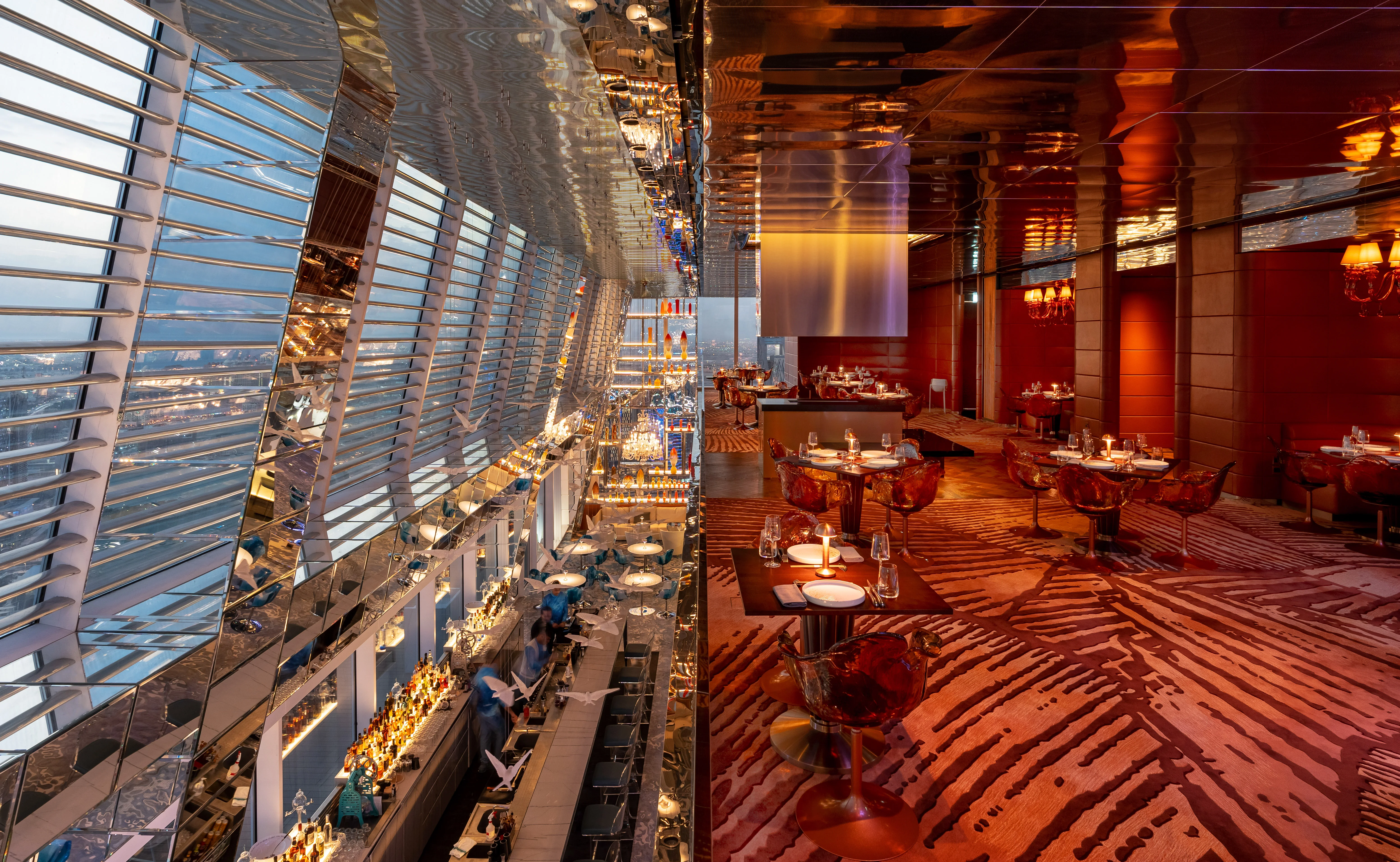
How can lighting shape mood and direct the viewer’s focus?
Light Is Your Best Space DesignerHow do you define spaces without building walls? The answer is light.Light creates invisible boundaries. A well-lit entryway says, “Step inside.”" A softly lit corner whispers, "Sit here for privacy." A glowing bar calls "gather with friends."Good light guides customers naturally—telling them where to go, what to notice, and how to feel—without a single word.This article shows you how to use brightness, color, and contrast to zone your restaurant and guide every eye. No walls required. Only a clever light.Why Zone with Light?: Physical Walls vs. Light ZonesWhy use light to define spaces when you could just build walls? Because walls have limits—and light does not.·The Problem with Physical WallsWalls occupy space. In a small restaurant, every centimeter counts.Walls also lock you in. Once built, they are expensive to move. And they stay the same all day, even when your crowd changes—from quiet lunches to busy dinners to late-night bar crowds.·The Advantages of Light ZoningLight does the opposite. It divides spaces without stealing a single square meter. Customers feel the change—a brighter entrance, a dimmer corner—but their view stays open. The room feels bigger.Light is flexible too. Turn a dimmer, and boundaries shift.Need more bar space tonight? Brighten the bar, dim the back corner. Want a romantic vibe after 8 pm? Lower the lights over every table. No construction, no cost—just a simple adjustment.·Three Tools for Light ZoningYou have three tools to work with:Brightness contrast: Bright areas feel important and forward. Dark areas feel quiet and private.Color temperature contrast: Warm light (2700K) feels intimate. Cool light (4000K) feels fresh and energetic.Light and shadow: Lit areas become focal points. Shadows create natural transitions between zones.Used together, these tools let you design your restaurant's flow without a single wall. Next, we will show you exactly how to apply them.Part 2: Core Methods: How to Define Different Zones with LightEvery zone in your restaurant has a job. Light helps each one do it better.·Entrance: First ImpressionYour entrance says "welcome" before anyone speaks. Make it bright—500 to 600 Lux on your signage or host stand. Warm light feels inviting; cool light feels modern.Choose what fits your brand. Guests should know exactly where to enter, instantly.·Dining Area: The Heart of the ExperienceEach table needs its own spotlight—literally. Use focused light at 400-500 Lux directly on tables.Keep the surrounding areas softer at 200-300 Lux. This creates little islands of intimacy while keeping the whole room connected. Dimmable pendants let you adjust as the night progresses.·Bar Area: The Energy MagnetThe bar should pull people in. Make it 20-30% brighter than dining tables.Illuminate your bottle shelves with backlighting. Add high-CRI (95+) lighting across the bar top so beverages gleam and cocktails appear irresistible. Brightness naturally attracts—guests will gravitate toward it.·Booths and Private Corners: Quiet RetreatsFor guests seeking privacy, turn it down. Use 150-200 Lux with warm 2700K light.Focus illumination on the table only. Let shadows gather around the edges. Add wall-wash lights nearby so the space doesn't feel like a cave.·Hallways: Silent GuidesHallways should lead, not confuse. Use hidden floor LED strips or subtle wall lights to guide the way. Keep the far end slightly brighter—it encourages guests to move forward without thinking about it.Get these zones right, and your restaurant flows naturally. Guests know where to go without a word spoken.Part 3: Advanced Techniques: How to Guide Customer Gaze with LightOnce you have defined your zones, the next step is to guide what people actually look at. Light is your spotlight—use it wisely.·Creating Visual Focal PointsWant customers to notice something? Light it brighter. That is that simple.Whatever you want guests to notice should be the brightest thing in view. It could be a feature wall. It could be a piece of art. It could be a well-arranged wine display.Aim for 3 to 5 times brighter than the surrounding areas. The contrast grabs attention instantly.·The Power of Light ContrastContrast creates drama. A single beam of light on a table flower arrangement. A soft glow on a signature dessert as it passes by. Deep shadows around the edges of a private booth.The brightest spot in any scene draws the human eye. Use this. Keep contrast ratios between 1:3 and 1:5—enough to create focus without hurting comfort.·Dynamic Guidance Throughout the DayYour restaurant changes. Your focal points should too.With dimmable systems, you can shift attention as the day progresses. At lunch, keep things bright and even—menus need reading.At dinner, dim the surroundings and let table lights take over. Late evening? Turn up the bar lights to draw in the post-dinner crowd.One space, many moods. All controlled by where you put the light.Guide their eyes, and you guide their experience.Part 4: Common Mistakes: Don't Let Good Intentions BackfireEven with the best intentions, lighting mistakes happen. Here are three to avoid.·Mistake 1: Over-Zoning: Space Feels FragmentedUsing completely different color temperatures in every zone creates a patchwork effect. One area glows warm orange, another shines cool blue. The result? Confusion. The space lacks unity.Fix it: Keep 80% of your restaurant color-consistent. Use the remaining 20% for subtle emphasis—a slightly warmer bar, a slightly cooler entrance. Consistency creates calm.·Mistake 2: Over-Guidance: Eyes Have Nowhere to RestWhen everything is bright, nothing stands out. Walls, tables, floors, ceilings—all competing for attention. Customers' eyes dart around, unsure where to look. Fatigue sets in quickly.Fix it: Choose one focal point per zone. A single bright feature. Let everything else fade into softer light. Hierarchy matters.·Mistake 3: Ignoring Transitions: Zone Changes Feel AbruptWalking from a bright entrance into a dim dining area should feel natural. But if the shift happens instantly, eyes struggle to adjust. The space feels jarring, not smooth.Fix it: Use transition lighting. Gradual dimming zones. Slightly lit hallways. Let customers' eyes adapt as they move.Avoid these mistakes, and your lighting will guide—not confuse.Part 5: Quick Self-Check: 3 Things to Test TonightYou do not need a lighting designer to spot problems. Walk through your restaurant tonight with fresh eyes and run these three simple tests.Test 1: Zone Clarity CheckStand at your entrance and look around. Can you instantly identify each zone—waiting area, dining section, bar, private booths? If everything looks the same, your zones are not working.Fix it: Make important areas noticeably brighter. The bar should pull the eye. Dining tables should glow. Entrances should be welcoming.Test 2: Gaze Guidance CheckSit at your farthest table. Let your eyes wander naturally. Where do they land? If you find yourself staring at exit signs, restroom doors, or empty walls, your focal points are wrong.Fix it: Add accent lighting to something worth looking at—a feature wall, artwork, or a beautifully styled shelf. Give eyes a place to rest.Test 3: Flow Smoothness CheckWalk the path a customer takes—from door to farthest seat. Does light guide you forward? Do you ever hesitate, unsure where to go next?Fix it: Add gentle guiding lights along the way. A softly lit hallway. A brighter spot at the far end. Tiny details create far-reaching changes.Three tests. Ten minutes. Clear answers. Start tonight.Part 6: Real-World Example: Light Zoning in ActionSometimes, a real project shows how powerful light zoning can be.·The Setting: A World Cup-Themed Restaurant in QatarA spacious restaurant in Doha needed to accommodate three separate groups within a single open area. Families came for lunch. Friends met for dinner. Late-night crowds celebrated match nights.No barriers. One space. Three unique experiences.·The ChallengeHow do you make families feel comfortable in one corner? How do you make couples feel romantic in another? How do you make party crowds feel energized at the bar, all at once? Physical dividers would make the space feel small and fixed. They needed flexibility.·The SolutionLighting did the work:Entrance: A gold crystal matrix with bright, warm light created an instant welcome.Family zone: Even 400 Lux at 3500K kept things fresh and bright—perfect for reading menus and keeping kids comfortable.Friends zone: Table spotlights at 450 Lux, with a dimmer area around them. A warm 3000K tone created an energetic but intimate vibe.Bar zone: Backlit bottle displays and high-CRI spotlights made the bar 30% brighter than dining areas. This naturally drew the night crowd.Hallways: Hidden floor LED strips guided guests smoothly between zones without thought.·The ResultCustomers instinctively chose the area that matched their mood. Families sat in the bright zone.Couples found the dimmer corners. Party-goers gathered at the glowing bar. And when the crowd shifted, staff simply adjusted dimmers—no construction, no confusion.One space. Many moods. All thanks to light.Conclusion: Light Is Your Silent Staff MemberGreat lighting works like your best employee—silent, helpful, always guiding.It tells customers where to enter, where to sit, and what to notice. It creates intimate corners without building walls. It adapts as the night progresses, shifting from bright family dinners to romantic evenings to energetic late-night crowds.No phrasing needed. Just gentle lighting.Remember the three tools: brightness for zones, focal points for gaze, and smooth transitions for flow. Use them well, and your restaurant will feel intentional—every table in its right place, every eye drawn to what matters.Need help optimizing your space?Send your floor plan and a few photos to Tyson Lighting. Our team has lit World Cup venues and Disney projects. We can help you too.
Mar 06, 2026
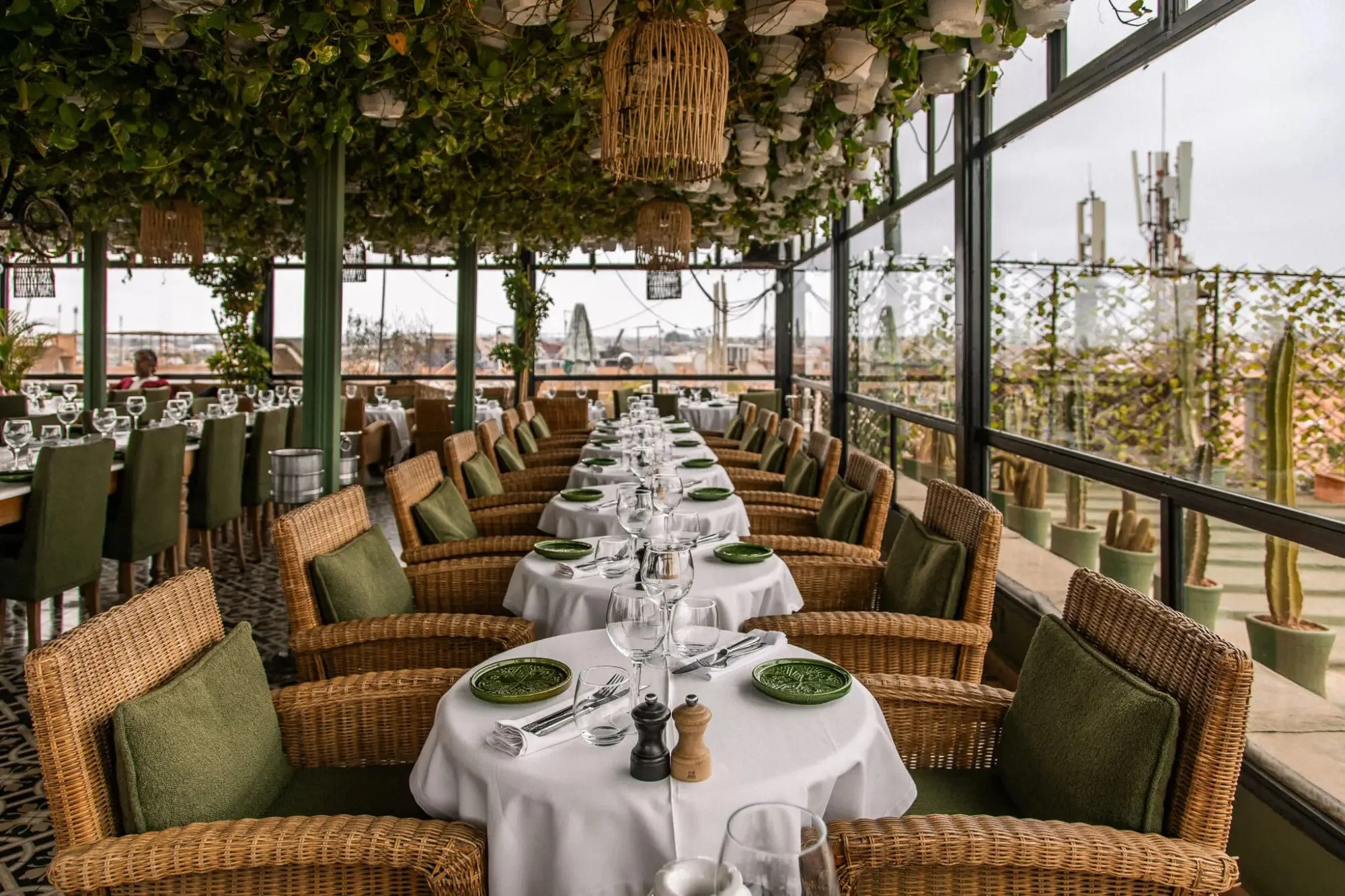
Why are the paper menus hard to read under the lights?
The Overlooked Dining Experience KillerImagine this: A couple sits down in your restaurant. They open the menu—but immediately tilt it towards the candlelight, squint, or use their phones for light. This is hardly the elegant start you'd imagine.This happens far more often than you think. Most restaurant owners blame the menu design. Is the typeface too tiny? Is the hue incorrect? Maybe.But often, the problem lies with the lighting. Either the table lighting isn't bright enough, or the glare from the overhead lights makes the text on the menu difficult to read. Your menu becomes hard to read—and this small frustration can ruin the entire dining experience.The solution is simple. You only need two things: sufficient brightness (in lux) and avoidance of glare (direct light or light reflecting off the paper).This guide will explain these two points using clear, easy language. You don’t need any technical expertise. Just a few clear steps to ensure your next guest can easily read your menu, rather than struggle to do so.Core Concepts: What Do Illuminance and Glare Mean?Before fixing your menu lighting, you need to understand two simple terms: illuminance and glare.·Illuminance: Is It Bright Enough?Illuminance is just a fancy word for how much light falls on a surface. You measure it in lux. Think of it as "brightness" for a specific spot—like your menu.You do not need expensive tools to measure it. Free lux meter apps on your phone work fine. Just place your phone flat on a table, and the app tells you the number.·Glare: Light in the Wrong PlaceGlare happens when light hits your eyes directly or bounces off something shiny. This is not about brightness—it is about direction.·Two types exist:Direct glare: You look up and see the bare bulb. It hurts your eyes and leaves spots in your vision.Reflected glare: Light bounces off your shiny menu and washes out the text. The words disappear under bright patches.Here is the key: You can have plenty of light (good illuminance) but still have bad glare. The problem is not how much light—it is where that light is coming from.Understanding these two ideas is your first step. Next, we will look at exactly how bright your menu should be.Ideal Brightness: How Many Lux Do You Need?Now that you understand illuminance, here is the big question: How bright should your menu actually be?·The Magic Number: 400-500 LuxIndustry experts agree that menus need 400 to 500 lux at the table surface. This is slightly brighter than your general dining area—and for good reason.Consider this: your guests may need to read small print, sometimes in low-contrast colors. They may read it on dark or textured paper. They need sufficient lighting to see clearly and comfortably, without squinting.·What Happens If You Go Too Low?Below 200 lux, reading becomes hard. Guests narrow their eyes. They angle menus toward nearby lighting. Some may even use their phone’s flashlight for extra visibility.None of this feels elegant. And when reading is difficult, ordering takes longer—and customers enjoy the experience less.·What Happens If You Go Too High?Above 800 lux, you have a different problem. The area starts to look like a cafeteria or an office. Small restaurants lose their cozy feel. Bright light kills romance and relaxation.·The Sweet Spot400–500 lux achieves the ideal balance perfectly. Bright enough for easy reading. Soft enough to keep your atmosphere intact.·How to Check Yours TonightDownload a free Lux meter app on your phone. Place your phone flat on a table during dinner service. Check several tables—front and back, center and corners. If any spot reads below 300 lux, that table needs more light.Numbers do not lie. Measure yours tonight.Glare Control: Why Does Your Menu Shine?You have enough brightness—400 lux, perfect. But guests still struggle to read. The culprit? Glare.Glare happens when light hits your eyes the wrong way. The issue is not how much light there is, but where it comes from. Two types ruin menu reading.·Direct Glare: Seeing the BulbSit at a table and look up. Can you see any bare bulbs?If yes, that is direct glare. When guests look down at menus, those bulbs leave spots in their vision. Text becomes hard to focus on.Fix it: Choose fixtures with shades or deep housings that hide the bulb. Adjust spotlights so they point at tables, not faces. A simple rule—if you can see the bulb from a seated position, it is wrong.·Reflected Glare: The Shiny Menu ProblemThis one tricks most owners. Your menu looks fine in your hand. But under light, it becomes a mirror.Shiny paper—coated, laminated, or glossy—reflects light. Those bright spots wash out the text. Words disappear. Guests tilt menus, trying to find an angle where they can read.Fix it: Switch to matte paper. The difference is immediate. Or adjust your light angles so it hits the menu from the side rather than straight down.·One More TipDark menus need more light. Light menus hide glare better. If you love your dark leather menus, accept that they need brighter, carefully angled light.Glare is fixable. Find it, fix it, and your menus become readable again.Fixture Choice and Placement: Fixing the SourceYou now know the problems: low brightness and bad glare. Now let us fix them at the source—your light fixtures and where you put them.·Choose the Right FixturesNot all lights work for menu reading. Here is a quick guide:Fixture TypeBest ForGlare ControlDeep recessed spotlightsTable accent lightingExcellent (bulb hidden inside)Louvered downlightsGeneral areasGood (side light blocked)Pendants with shadesDecorative + functionMedium (depends on shade depth)Exposed bulbsDecorative onlyPoor—avoid for reading areas·Placement Matters Just as MuchWhere you put the lights is as important as what you buy.Keep spotlights at least 50cm from walls or table edges. Too close creates harsh hot spots.Maintain a 30-degree angle rule: Lights should hit the table from an angle, not straight down into the eyes.For pendants above tables: Stick to 75-90cm high. Low enough to light the menu, high enough to avoid glare.·Use Dimmers for FlexibilityEarly dinner guests need bright menus. Late diners want mood lighting. Dimmers give you both.With dimmable lights, you can run menus at 500 lux at 6 pm, then slowly dim to 200 lux by 9 pm. One system, two experiences.Fix your fixtures and placement first. Everything else gets easier.Quick Self-Check: 3 Tests to Run TonightYou do not need to wait for a designer or renovation. Tonight, before your first guests arrive, run these three simple tests. They will reveal exactly what is wrong with your menu lighting.Test 1: The Menu TestGrab a menu and sit at your darkest table. Try to read every item—especially the small print and any low-contrast text (like gold on dark backgrounds).If you can read everything easily, great. If you struggle, that table needs more light. Move to other tables and repeat. People often forget dark corners.Test 2: The Glare TestFirst, look up from your seat. Can you see any bare bulbs? If yes, direct glare is bothering your guests. Fix it by adjusting angles or adding shades.Next, hold your menu flat and tilt it slowly. Watch for bright reflections that wash out text. Tilt it again under different lights around the table. If you see shiny spots, reflected glare is the problem.Test 3: The Brightness TestDownload a free lux meter app on your phone. Place your phone flat on the table, exactly where a menu would sit. Check the reading.Below 200 lux: Too dark—guests will struggle.200-300 lux: Acceptable, though still not optimal.400-500 lux: Perfect.Above 800 lux: Too bright—atmosphere suffers.Test several tables. Write the numbers. Now you know exactly where to fix.Three tests, ten minutes, clear answers. Start tonight.Real-World Example: Menu Lighting FixedSometimes a real example makes everything click. Here is a restaurant that fixed its menu lighting using exactly what we have discussed.·The Setting: A Traditional Restaurant in MarrakechA beautiful restaurant in the heart of Marrakech's medina had a frustrating problem. The space was stunning—hand-painted tiles, carved plaster walls, warm lanterns. But guests kept struggling to read the menus, especially after sunset.·The DiagnosisWe visited during evening service and ran the three tests.Brightness check: Tables measured only 180 lux—far below the 400-500 target. The beautiful decorative lanterns set the mood, but did not deliver enough light for reading.Glare check: Traditional brass lamps hung at eye level from low ceilings. From many seats, guests could see the bulbs directly.Reflection check: The menus were elegant—thick textured paper with gold stamping. But under the warm lantern light, the gold text blended into the dark background.Three problems, all fixable without destroying the restaurant's authentic charm.·The FixThey made three simple adjustments:Added small, hidden spotlights in the ceiling beams above each table. These provided focused light at 450 lux without changing the traditional look.Adjusted the hanging brass lamps slightly higher and added dimmer switches. Bulbs were no longer at eye level.Switched to menu paper with a soft matte finish. The gold text stayed elegant but became readable.·The ResultComplaints disappeared. Guests could finally read about the tagines and couscous without squinting. The restaurant kept its magical Moroccan atmosphere—but now it worked for dining, not just photos.Word spread. Reviews started mentioning the "perfect ambiance" and "easy-to-read menus." Busy nights got even busier.One local owner said, "We did not change our style. We just fixed the light."That is the power of small fixes. You can do it too.Your Menu Deserves to Be ReadYour menu is your sales tool. If guests cannot read it, they order less and enjoy less.Two things matter: brightness and glare. Aim for 400-500 lux at the table. Make sure no bulbs are visible, and menus do not shine.Run the three tests tonight. Small fixes take minutes but change everything.Need assistance? Share a photo with Tyson Lighting. We’ve illuminated World Cup venues—so we can support you as well.
Mar 06, 2026
- 1
- 2